Tag
#Upsc Current Affairs
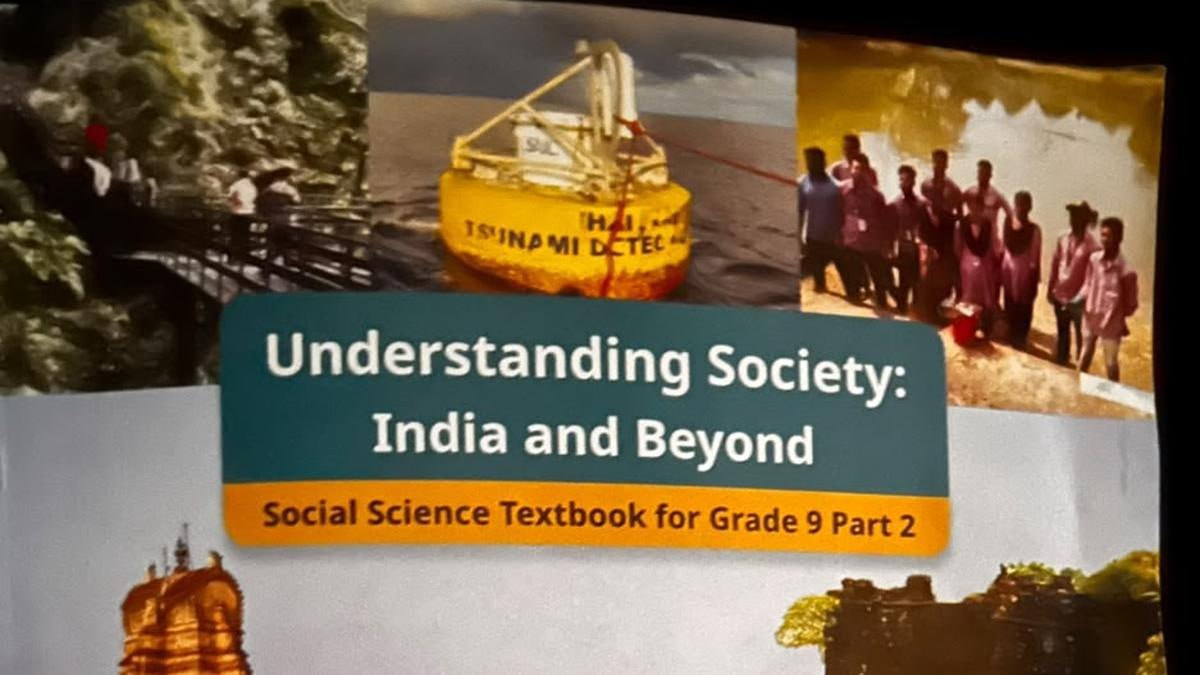
NCERT Prioritises Indian Resistance Over European Revolutions
The newly adopted NCERT Class 9 Social Science book gives increased weight to Indian medieval history, resistance movements, sovereignty and resilience while decreasing the focus on the European revolutions. While the change would be beneficial in terms of understanding India's complex history, there is no need to lose the global perspective and academic integrity.
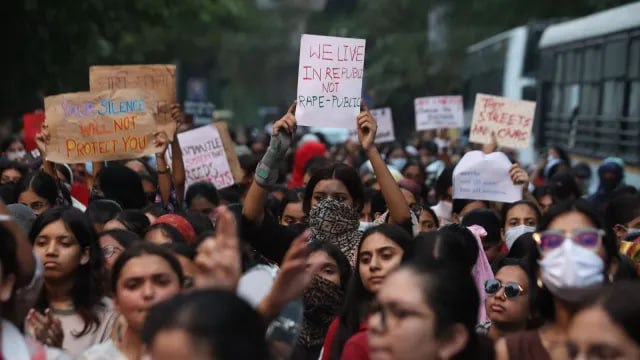
Women’s Safety: Bridging the Gap Between Policy and Action
The Nirbhaya Fund, women’s helplines, special courts, and safety audits post-2012 are some of the mechanisms that have been put in place to make India’s institutions more conducive to the security of women. Nevertheless, there is still disjointed governance, poor accountability, inadequate infrastructure, and lack of outcomes measurement. Policies in the future should ensure outcomes, accountability, gender-sensitive urban development, and increased involvement of women.
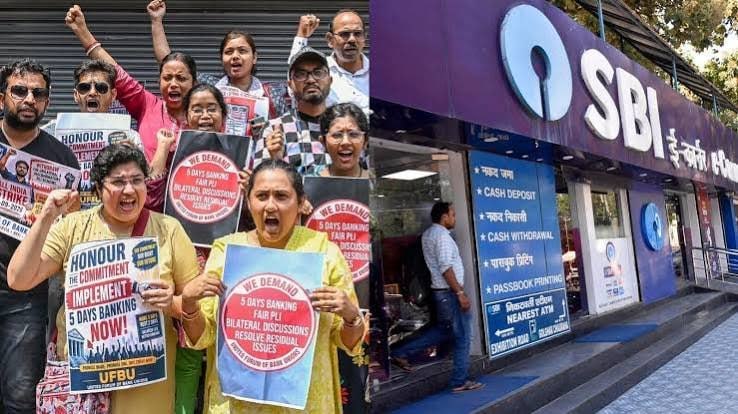
Why Are Bank Unions Going on Strike?
The union for banks has issued a countrywide strike that demands a banking week of five days, revision of the Performance Linked Incentive policy and the negotiation of unresolved matters. The strike highlights the conflict between collective bargaining and the power of the government in determining bank holidays. It could cause disruptions in branch operations, particularly in rural settings.
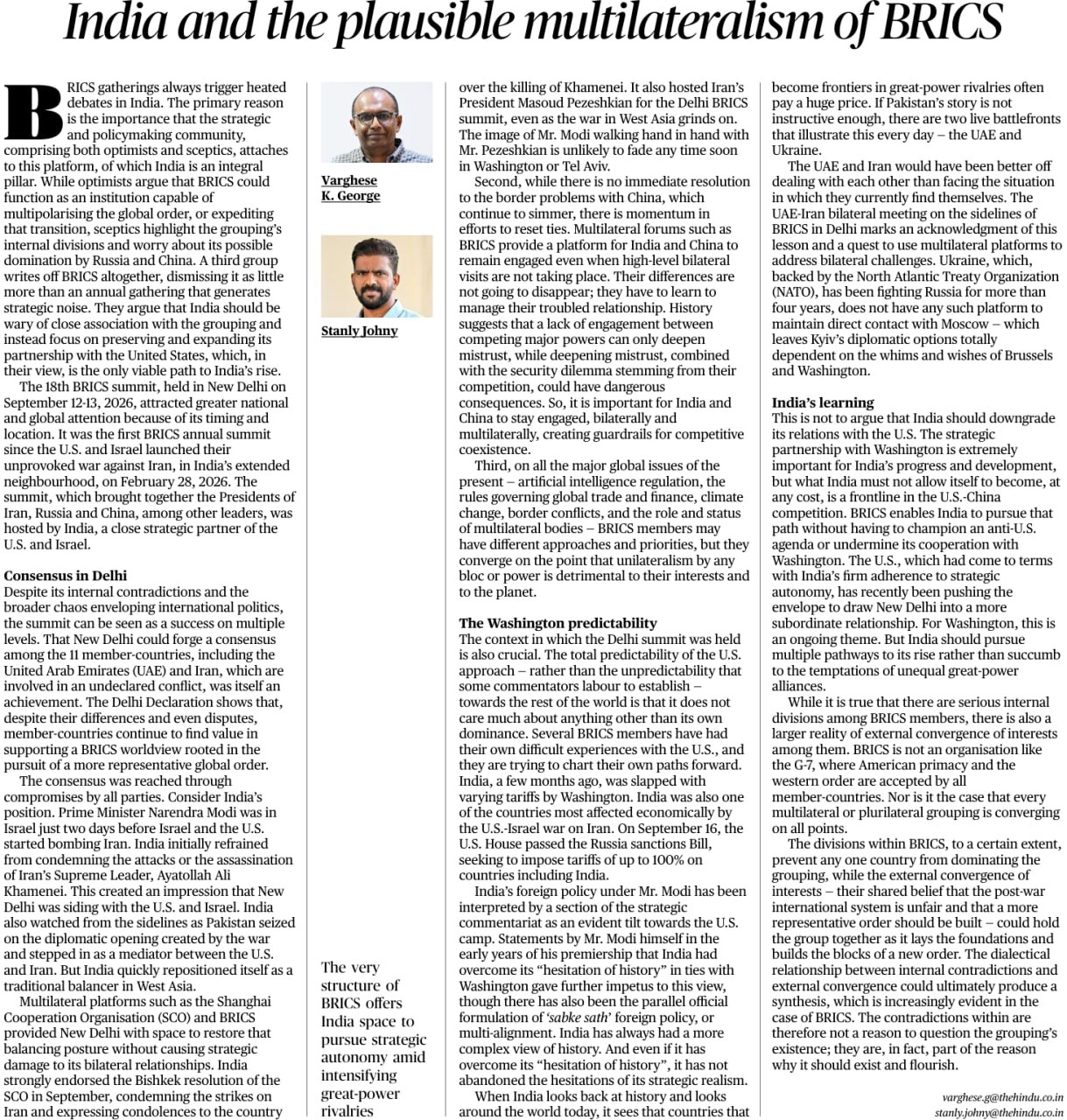
India and the Plausible Multilateralism of BRICS
BRICS offers India an opportunity for strategic autonomy, handling Chinese irritations, Global South inclusion and multipolarity. While there are contradictions, lack of institutions, and different interests, issue-specific cooperation is not without merit. India must refrain from forming hard blocks, maintain a balanced relationship with the US, Russia and other countries, and ensure BRICS effectiveness.
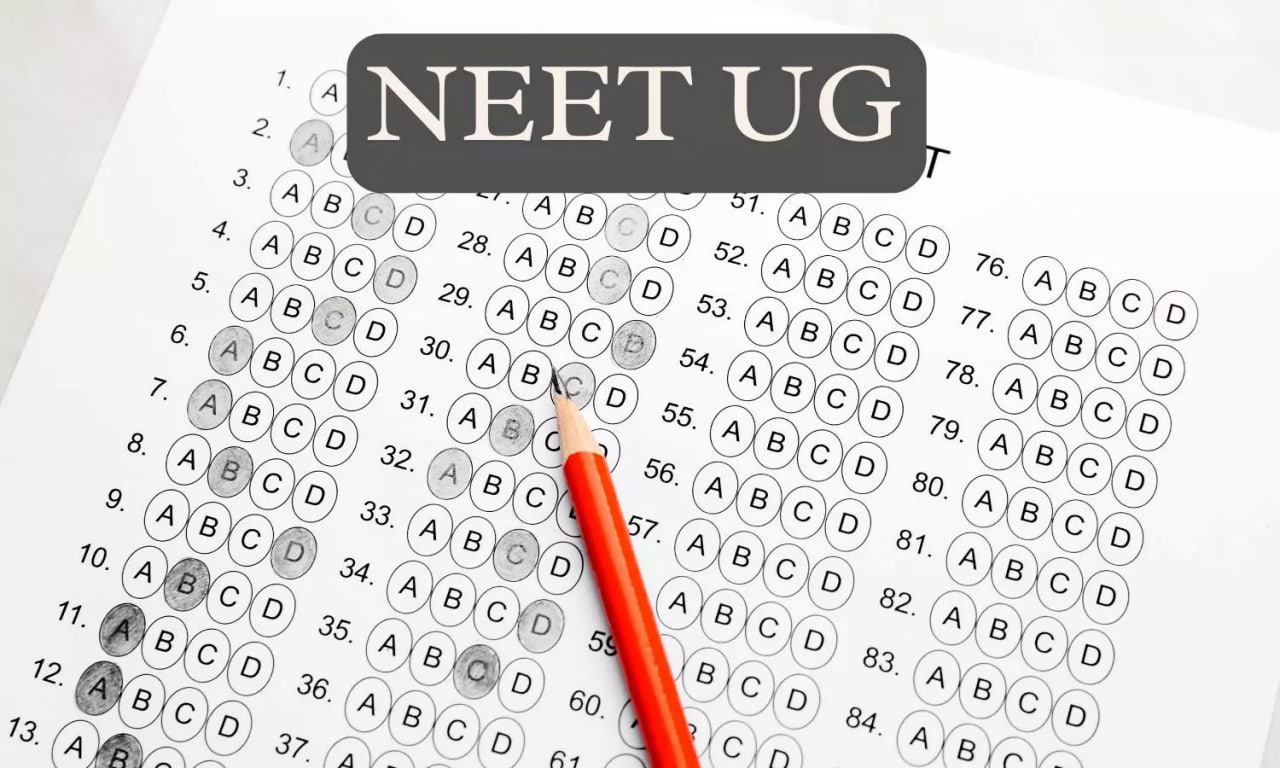
NEET-UG May Shift to Computer-Based Test: Centre
The government plans to move from the traditional pen-and-paper to a computer-based test for NEET-UG in light of the 2026 scandal of leaking question papers, according to the recommendations of the task force headed by Nilekani. The Supreme Court insists that change should not only involve technology but also institutional stability, permanent staff of NTA, cybersecurity, and accountability.
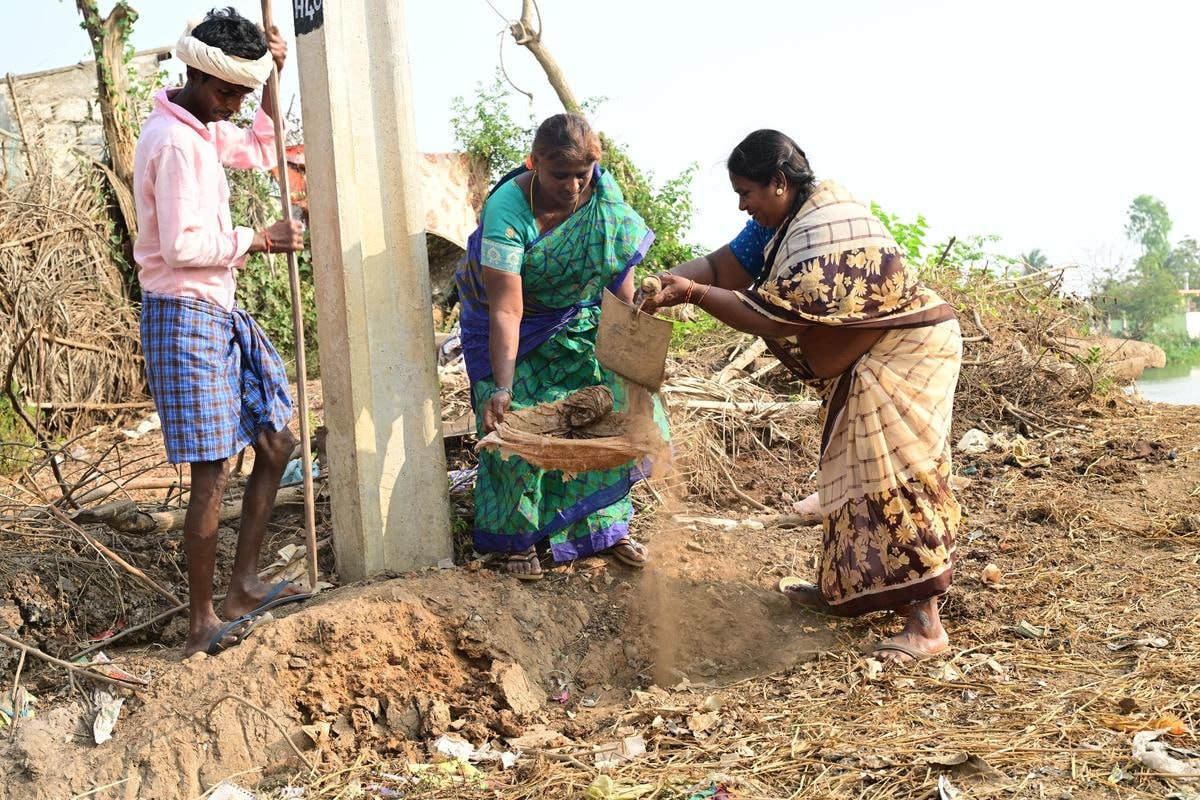
VB-G RAM G Scheme Trails MGNREGS by 9% in August
The employment rate for VB-G RAM G decreased by 9.01% in August 2026 compared to August 2025, and the person-days between July and August decreased by 32.13% in comparison to MGNREGS 2025. The project has agricultural planning with a 60-day window break from farming activities, and the government states that it is too short to decide.
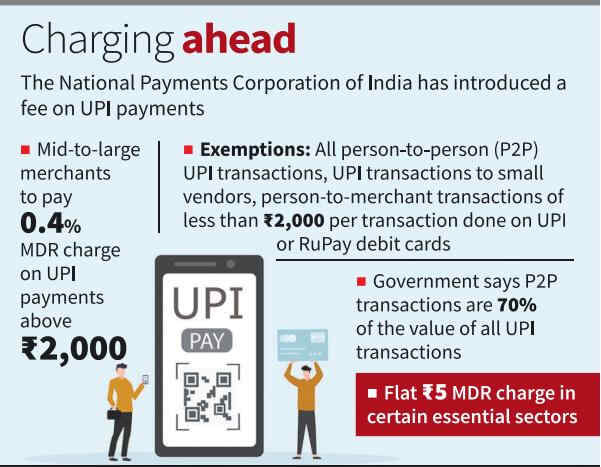
0.4% UPI Fee on Merchant Payments Above ₹2,000
NPCI will charge a 0.4% MDR for UPI merchant transactions above ₹2,000 from 15 October, but peer-to-peer transactions and transactions below ₹2,000 will continue to be free of cost. The architecture is designed to achieve equilibrium between making UPI affordable and ensuring its sustainability. Cost-passing, merchant adoption, and rural penetration are among the challenges.
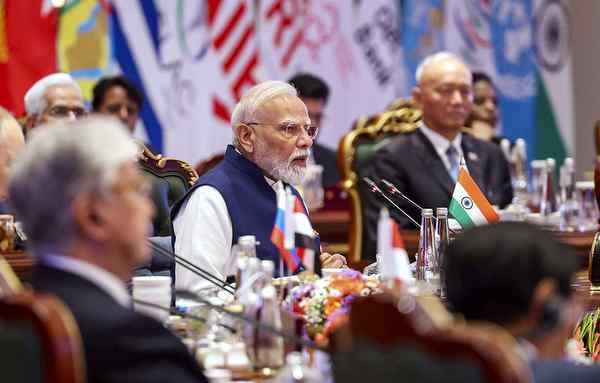
Modi Flags Weaponisation of Technology and Critical Minerals
PM Modi encouraged BRICS to guard against the militarisation of technologies and rare metals and to concentrate on tangible achievements. These include joint health care and disaster warning systems, logistics resilience, startups and MSME collaboration, digital agriculture, smart grids, and energy storage. BRICS needs to consider geopolitical competition, technology imbalance, supply chain reliance, cyber security, and the execution gap.
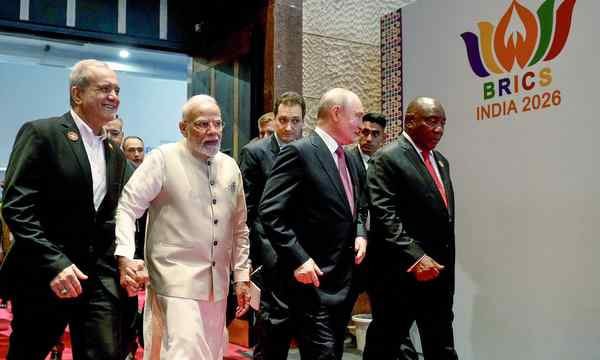
India Builds Economic Bridges Amid Global Trade Barriers
PM Modi at BRICS Business Forum emphasises India building "economic bridges" amid rising trade barriers and maritime disruptions. Focus: freedom of navigation, FTAs, local currency trade, and BRICS cooperation in MSMEs, start-ups, and critical technologies.
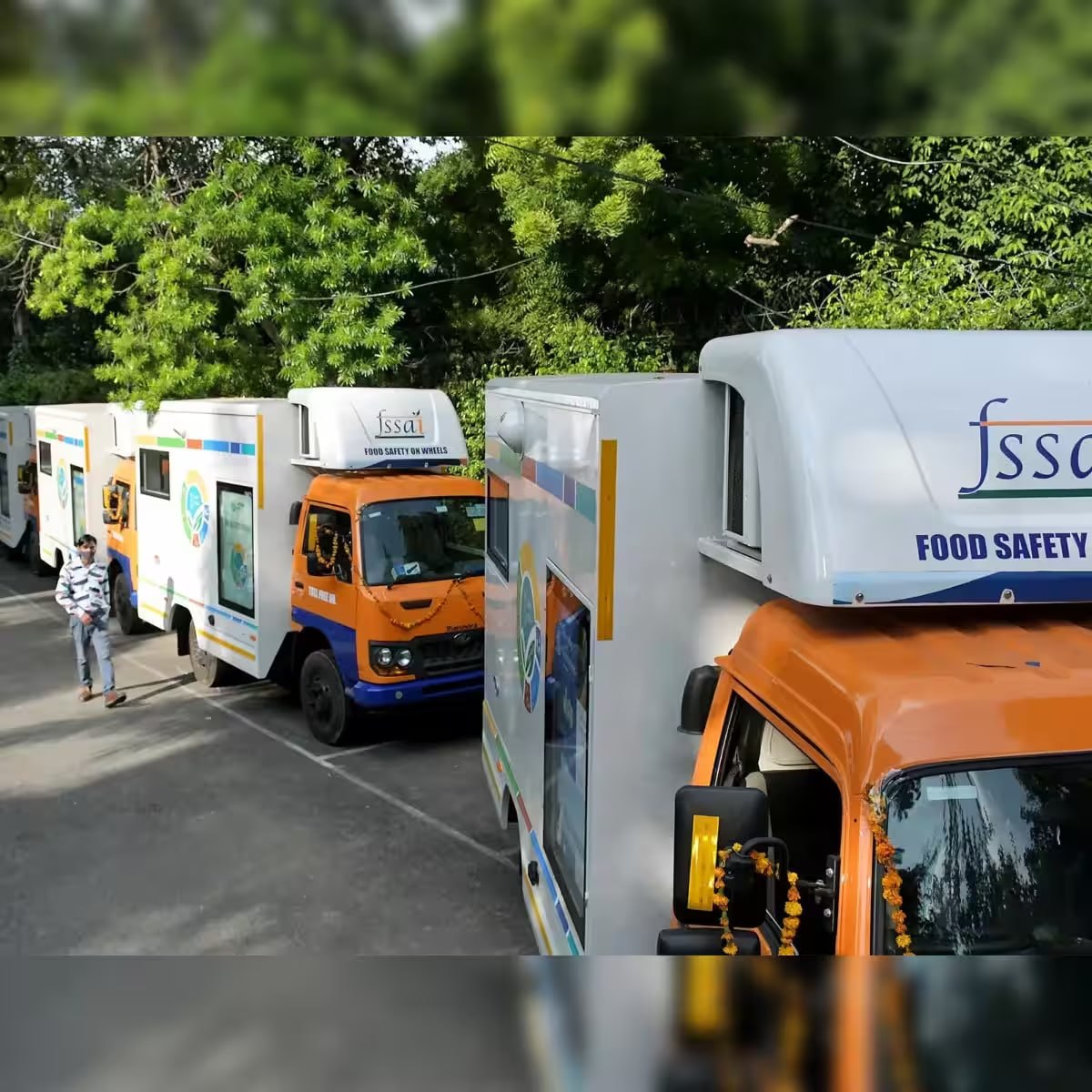
SC Seeks Clarity on FSSAI Warning Label Norms
Supreme Court questions FSSAI on front-of-pack warning label thresholds for high sugar, salt, and fat. FSSAI's red hexagonal proposal lacks clear numerical limits, relying on advisory Dietary Guidelines. Challenges: two-nutrient trigger loophole, unpackaged foods, consumer comprehension.
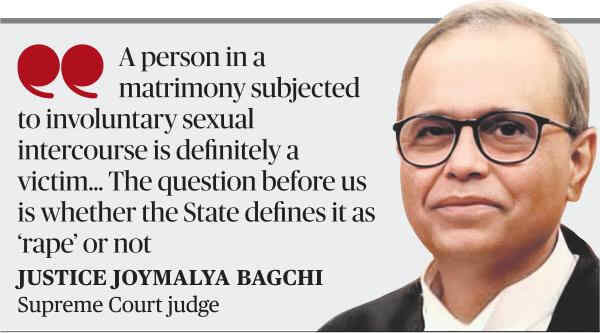
Marital Rape: SC Says Legislature Must Make It Punishable
Supreme Court says Parliament must decide on criminalising marital rape, as IPC/BNS retain a marital exception despite constitutional principles of dignity, equality, and bodily autonomy. Key issues: consent, Article 14 and 21, legislative vs judicial domain.
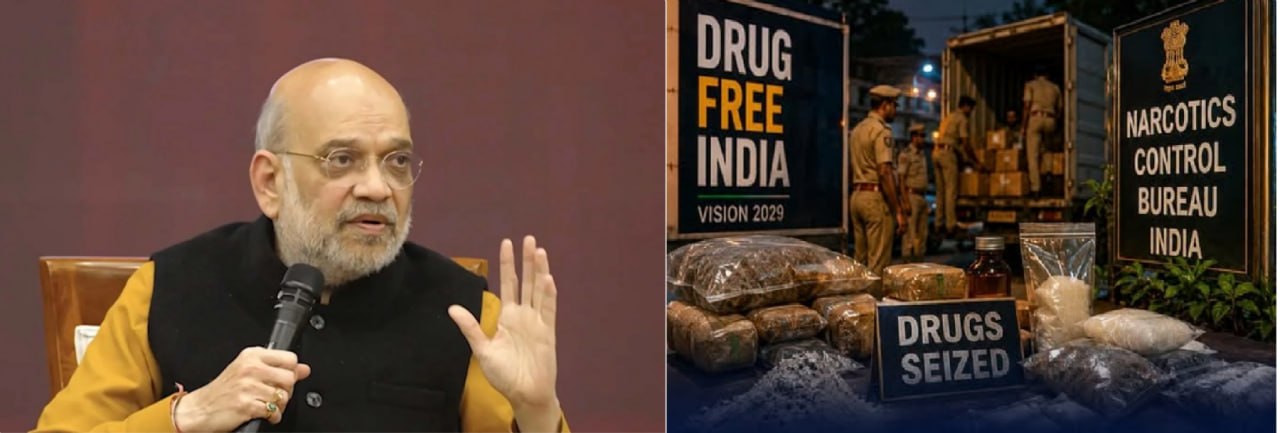
Drug-Free by 2029 Roadmap: Amit Shah
The Minister of Home Affairs unveils roadmap for creating a drug-free India by 2029, covering the full gamut of the drug trade-production, smuggling, consumption, and funding. The approach includes enforcement, rehabilitation, and alternative livelihoods. Challenges include cross-border smuggling, the dark web, and treatment of addicts. The approach involves intelligence gathering, financial targeting, prevention, and technology.
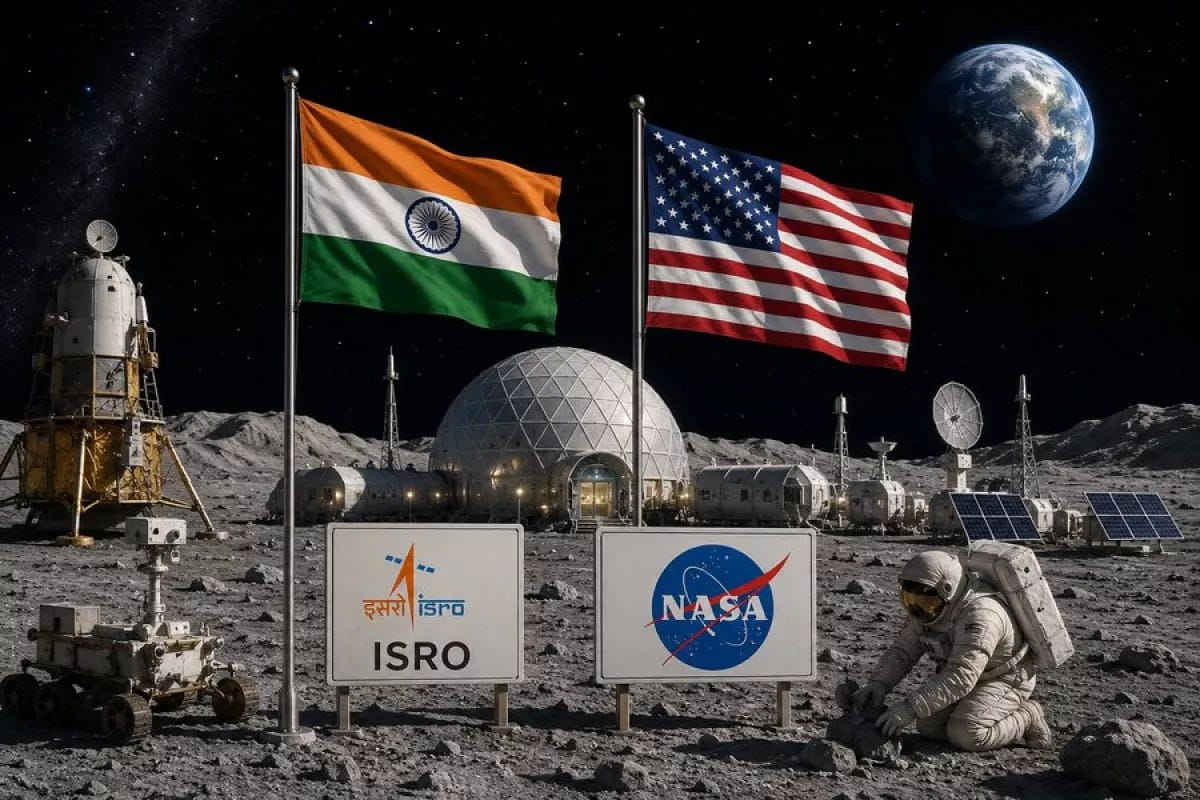
NASA Invites ISRO to Join Mission for Lunar Outpost
The NASA lunar base project near the South Pole of the Moon included ISRO, and this has led to increased cooperation between India and the US in the space sector. This project could help India in human space exploration, lunar technologies, science, and space diplomacy. But it is accompanied by several problems, including cost, environmental conditions, and resource management.

Drugs-Free Youth Crucial for Developed India: PM Modi
Nasha Mukt Yuva for Viksit Bharat Sankalp Abhiyan is a nation-wide initiative which lasts for 100 weeks to make a drug-free young generation by adopting methods like creating awareness, preventing youth from drugs and rehabilitating people from trafficking. Through community participation and adopting a healthy lifestyle, it intends to capitalise on India’s demographic dividend.

Vikram-1: India’s First Privately Developed Orbital Rocket
Vikram-1 is an orbital launch vehicle developed by Skyroot Aerospace and is the first orbital launch vehicle built privately in India. The first launch of Vikram-1, called Mission Aagaman (from 12 July to 4 August 2026), is a milestone for the commercial space industry of India.