Background
BRICS has emerged as an important grouping of major emerging economies and represents a significant share of the global population, GDP and trade.
Global trade is facing challenges from tariffs, sanctions, geopolitical conflicts, supply-chain disruptions and restrictions on transport routes.
India has sought to diversify its trade relationships through Free Trade Agreements (FTAs) and greater economic engagement with emerging markets.
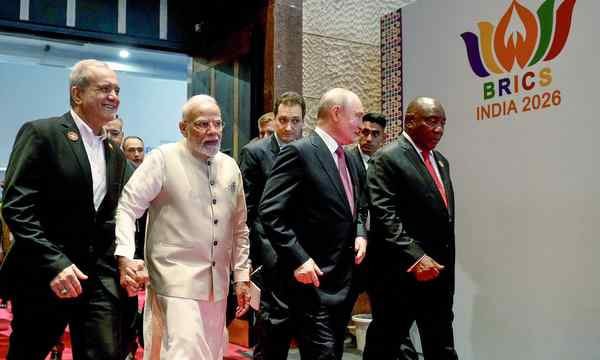
India's 2026 BRICS presidency is being used to strengthen cooperation in areas such as agriculture, health, skills, smart grids, MSMEs and start-ups.
The discussion also reflects a broader shift towards a multipolar global economic order, with emerging economies seeking greater influence in global economic governance.
Key Features
Economic bridges: India seeks to reduce trade barriers and expand business opportunities among BRICS countries.
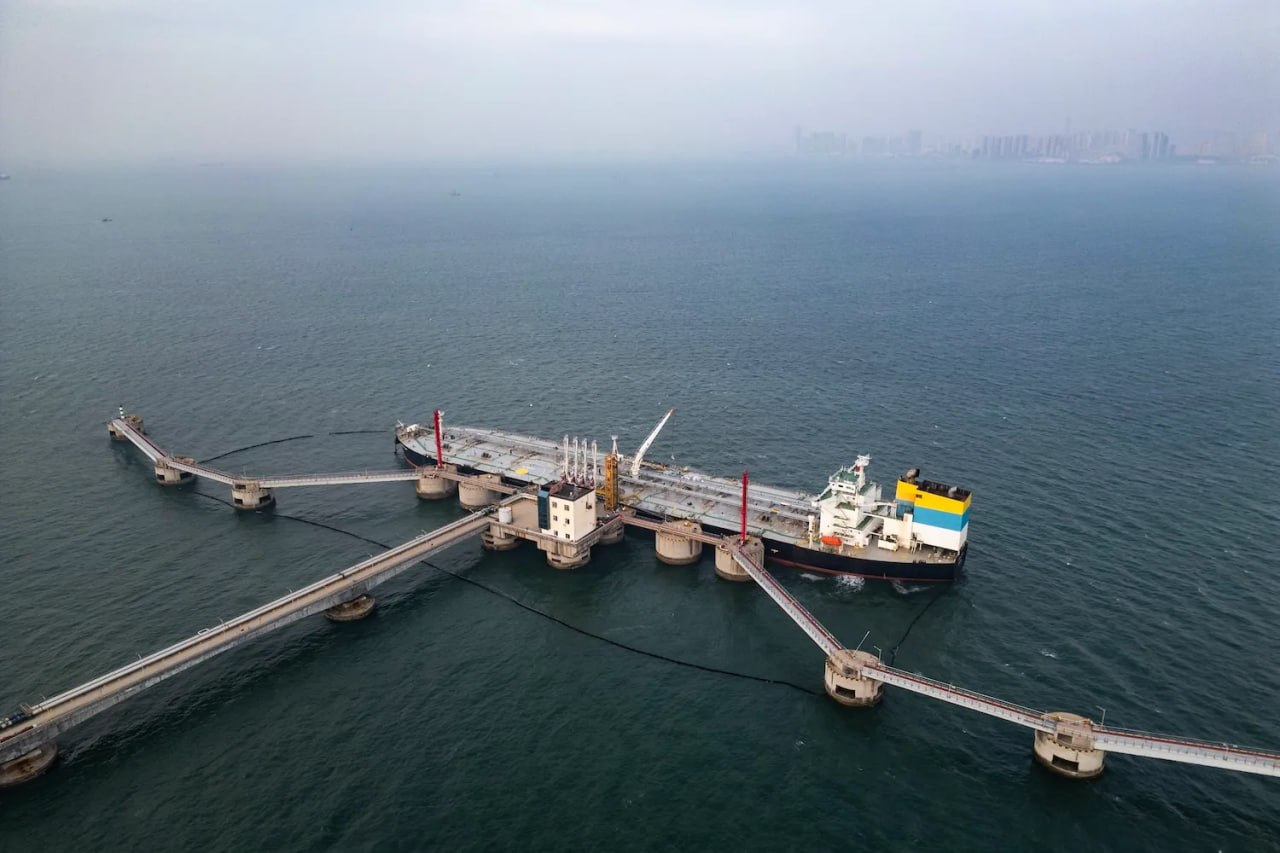
Freedom of navigation: India stressed that secure maritime routes and safety of seafarers are essential for global trade.
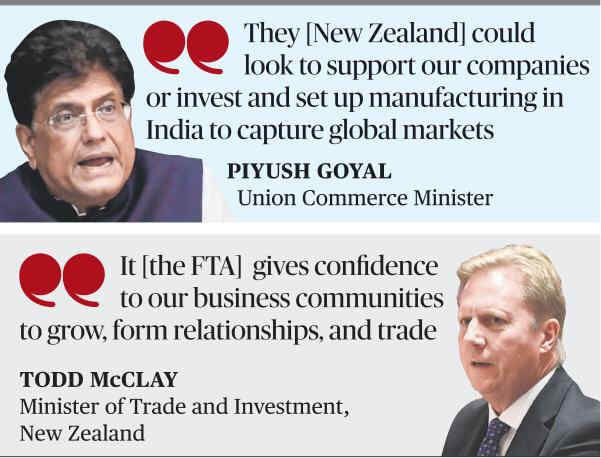
Trade diversification: India is expanding its network of FTAs and economic partnerships.
BRICS cooperation networks: Initiatives include the BRICS Incubator Network, BRICS MSME Portal and Start-Up Innovation Fund.
Local currencies: Iran advocated greater use of national currencies in intra-BRICS trade to reduce dependence on dominant international financial instruments.
Financial resilience: BRICS members seek greater resilience against sanctions and disruptions in international financial and technological systems.
Emerging economies: The discussions reflect the growing economic weight of emerging economies in the global order.
Challenges
Protectionism: Rising tariffs and non-tariff barriers can restrict international trade.
Geopolitical conflicts: Wars and tensions can disrupt shipping routes, energy supplies and supply chains.
Sanctions and secondary sanctions: Unilateral sanctions can complicate trade and investment involving third countries.
Maritime insecurity: Disruptions to important sea lanes increase transportation costs and affect global supply chains.
Dollar dependence: Heavy reliance on a few international currencies and financial systems creates vulnerabilities for some emerging economies.
Diverse interests within BRICS: Members have different economic structures, geopolitical priorities and relationships with major powers.
Alternative financial systems: Increasing local-currency trade requires deeper financial markets, convertibility and reliable payment mechanisms.
Way Forward
Strengthen rules-based international trade and oppose arbitrary trade restrictions.
Promote secure and open maritime routes and protection of seafarers.
Diversify global supply chains and strengthen resilient trade corridors.
Expand intra-BRICS trade and investment while reducing unnecessary trade barriers.
Gradually increase local-currency settlement where economically viable, while maintaining financial stability.
Strengthen institutions such as the New Development Bank to support infrastructure and development financing.
Improve cooperation in digital payments, critical technologies, energy, agriculture and critical minerals.
Use India's BRICS presidency to promote Global South cooperation without turning BRICS into an exclusive geopolitical bloc.
Conclusion
The BRICS Business Forum represents a move from an era where the global economy was extremely interdependent yet fragile to an era which is more multi-polar and resilient. India's policy response needs to be geared at creating connections and not disconnections – fostering free trade and maritime connectivity; diversified supply chains; and economic cooperation without sacrificing strategic autonomy.