Monthly Current Affairs
October 2026 Current Affairs

GSLV places next-generation navigation satellite into orbit
The launch of NVS-03 through GSLV-F18 marks an important step in strengthening India's indigenous NavIC navigation system. Equipped with an indigenous atomic clock and an additional L1 signal, it aims to improve navigation reliability and accuracy. India must strengthen indigenous technology, satellite continuity and wider adoption to achieve strategic autonomy in space-based navigation.

India made ‘remarkable progress’ in reducing poverty, says World Bank
India has achieved remarkable poverty reduction, with extreme poverty falling from 27.1% in 2011 to 2.6% in 2023, lifting nearly 496 million people out of poverty. However, income inequality, unemployment, regional disparities and poor-quality jobs persist. India must prioritise productive employment, women's empowerment, skill development and human capital to achieve inclusive growth and poverty eradication.

Concerns Over the Collegium System
The collegium system safeguards judicial independence by limiting executive interference in judicial appointments. However, concerns over transparency, accountability, nepotism, lack of diversity and delays remain. India needs a balanced appointment mechanism through objective selection criteria, a revised MoP, greater transparency and wider consultation. Ultimately, judicial appointments must ensure both judicial independence and institutional accountability.

India Offers Counterterrorism Expertise to ASEAN Countries
India’s offer to share counterterrorism expertise with ASEAN reflects its growing role as a regional security partner. Strengthening ADMM-Plus, intelligence sharing, joint exercises and capacity building can address emerging security threats. Through collective security, respect for international law and strategic cooperation, India can contribute to a peaceful, stable and secure Indo-Pacific.

Is GRAP Enough to Curb Air Pollution?
GRAP is an important emergency measure to control air pollution through graded restrictions, but it cannot eliminate pollution’s structural causes. Its effectiveness is limited by weather conditions, regional emissions and weak enforcement. Sustainable improvement requires year-round pollution control, cleaner transport, agricultural reforms, industrial regulation, scientific monitoring and coordinated regional action.

Japan–Northeast India Link to Be Strengthened: Govt
India is strengthening cooperation with Japan to develop Northeast India through infrastructure, connectivity and skill development. Bangladesh’s Matarbari deep-sea port could improve regional trade, reduce logistics costs and expand market access. However, benefits depend on cross-border coordination, last-mile connectivity, environmental safeguards and inclusive development, advancing India’s Act East Policy.

India’s next investment cycle will shape its carbon future
India’s next investment cycle offers an opportunity to pursue economic growth alongside decarbonisation. With most future buildings yet to be constructed, India must enforce energy-efficient standards, expand renewable-energy transmission and storage, promote green steel and cement through public procurement, and improve green finance.

Science successful only when society benefits from it: Modi
Prime Minister Modi stated that science needs to produce societal value through lab-to-land innovation. The progress India has made in space, artificial intelligence (AI), semiconductors, and nuclear power indicates increasing self-reliance. Nevertheless, lack of investment in R&D, inadequate commercialisation of innovation, and access disparities exist. Scientific excellence can be ensured by increasing research funding, industry-academia partnership, and responsible innovation.

Centre approves defence deals worth ₹2.12 lakh cr.
The DAC has approved defence procurement proposals worth ₹2.12 lakh crore for the Army, Navy and Air Force, with 82% earmarked for domestic industry. These approvals aim to modernise the armed forces, enhance combat readiness, promote advanced technologies and strengthen Atmanirbhar Bharat. Timely execution, genuine indigenisation and quality assurance remain crucial.

Indian physicist wins Oskar Klein medal, one of the top prizes in physics
Ashoke Sen became the first Indian to receive the Oskar Klein Medal in 2026 for his pioneering contributions to string theory, S-duality, black-hole entropy and string field theory. His achievements highlight India’s excellence in theoretical physics and the need for sustained research funding, strong institutions, scientific collaboration and talent development.

In Battling Childhood Obesity, Government Policy May Just Tip the Scales
Childhood obesity is an emerging public health challenge, with obesity surpassing underweight among school-aged children globally. India faces a double burden of malnutrition, including undernutrition and overnutrition. Addressing it requires stronger food regulation, nutrition labelling, healthy school meals, physical activity, early intervention and affordable nutritious diets through coordinated government action.

Ladakh Dissolves Kargil Hill Council, Announces Panchayat Polls
Ladakh has dissolved the Kargil Hill Council and announced panchayat elections for November 21, the first since 2018. The administration plans to establish hill councils across all eight districts. This aims to strengthen grassroots democracy, decentralisation and local representation. However, financial constraints, overlapping powers and unresolved demands for Statehood and Sixth Schedule status remain key challenges.

Nepal becomes first beneficiary of global funding for loss & damage
The Fund for Responding to Loss and Damage (FRLD), established at COP27 and operationalised at COP28, has provisionally earmarked $20 million for Nepal following climate-induced glacial lake outburst floods. This first country-specific allocation advances climate justice but highlights funding inadequacy, procedural delays and growing demand, necessitating predictable contributions, faster disbursement and equitable access.

Aditya-L1 Mission Reveals New Insights into Solar Eruptions
Aditya-L1’s VELC instrument uses Doppler velocity imaging to study plasma motion in the solar corona and improve understanding of coronal mass ejections (CMEs). These observations can strengthen space-weather forecasting and protect satellites, power grids and astronauts.

Telangana seeks 100% MSP procurement amid drought
Telangana has urged the Centre to ensure 100% MSP procurement amid drought in 315 of 621 mandals. Key demands include removing procurement caps, expanding rural employment, promoting micro-irrigation, and rationalising fertiliser subsidies. Effective implementation must balance farmers’ income security with fiscal sustainability, climate-resilient agriculture, crop diversification and improved procurement infrastructure.

Children’s Right to Internet Access: Supreme Court of India
The Supreme Court held that children have a fundamental right to Internet access under Articles 21 and 19(1)(a), subject to reasonable restrictions. It rejected blanket bans as disproportionate, emphasising parental supervision, child-friendly safety features, platform accountability, digital literacy and effective reporting mechanisms to balance children’s online safety with freedom and participation.

L&T-built INS Samarthak inducted into Indian Navy
INS Samarthak, built by Larsen & Toubro, has been launched at Karwar, Karnataka. With over 75% indigenous content, it will test and evaluate domestically developed naval sensors and weapons. The ship advances Aatmanirbhar Bharat, strengthens defence self-reliance, promotes private-sector participation, enhances maritime preparedness, and supports India's strategic autonomy despite technological and supply-chain challenges.

Innovate Today, Nourish Tomorrow: Food Security
World Food Day 2026 highlights innovation for sustainable food security. India has progressed from food scarcity to self-sufficiency through the Green Revolution, procurement and welfare schemes. However, climate change, malnutrition, poverty and distribution gaps persist. Strengthening climate-smart agriculture, dietary diversity, digital systems, farmers’ incomes and international cooperation is essential for achieving nutrition security.

Sukhna Wetland in Chandigarh Designated a Ramsar Site
Sukhna Wetland in Chandigarh has been designated a Ramsar Site, recognising its international ecological importance. The Ramsar Convention promotes wetland conservation and wise use. Sukhna Lake supports biodiversity, groundwater recharge, flood control and climate regulation. Effective conservation requires pollution control, catchment restoration, encroachment prevention, scientific monitoring and community participation.

Wholesale Inflation Hits 49-Month High of 11.4% in India
Wholesale Price Index (WPI) inflation rose to 11.4% in September, a 49-month high, while food inflation reached 8.1%. Rising input costs, supply disruptions and food price pressures contribute to inflation. India must strengthen agricultural supply chains, improve storage, diversify imports and coordinate fiscal and monetary policies to maintain price stability and economic growth.

India’s exports to China grow 40%, deficit crosses $100 billion
India’s exports to China rose 40.7% to $19.26 billion in January–September 2026, but imports reached $125.19 billion, widening the trade deficit to $105.93 billion. This reflects India’s dependence on Chinese machinery, electronics and critical materials. India must strengthen domestic manufacturing, diversify supply chains, enhance export competitiveness and pursue strategic economic engagement.

What Is Preventive Detention?
Preventive detention is the detention of a person without trial or conviction to prevent anticipated harmful activities threatening national security or public order. Article 22 of the Constitution provides safeguards against its misuse. Unlike punitive detention, it is preventive, not punitive. Its exercise must be lawful, necessary, proportionate and subject to judicial review.

American Economists Win Nobel for Linking Households to Policy
The Nobel Prize in Economics of 2026 honours the works that associate the consumption of households, the pricing decisions of firms, and the expectations of policies with macroeconomic stability. Robert E. Hall conducted studies on consumption and future income, and Michael Woodford conducted studies on price-setting and expectations.

Retail inflation rises to two-year high of 5.5% as food, fuel become costlier
Inflation in India has risen to 5.5% in September 2026 from 4.8%, owing to an increase in the prices of food, fuel, and transport. With inflation close to the upper tolerance band of the Reserve Bank of India of 6%, inflation poses a threat to the spending power, savings, and growth of the economy.

Gandhi’s 1922 Court Statement and Delhi Protester Detentions
Gandhi’s remarks in 1922 remain valid in a democratic set-up where the need to challenge peacefully the powers that be is essential. In a democratic set-up, there is a need for the State to preserve law and order without trampling on fundamental rights. The protection of peaceful protest, legal enforcement, and prevention of arbitrary arrest are important constitutional values.

International Jurist Navi Pillay Wins Nobel Peace Prize
Former UN High Commissioner for Human Rights (2008-2014), Navi Pillay, has earned fame in the realm of international criminal justice and human rights. The issues of accountability, the security of civilians, and the law play an important role in her career. However, it should be noted that claims of Pillay receiving the Nobel Peace Prize need to be verified.
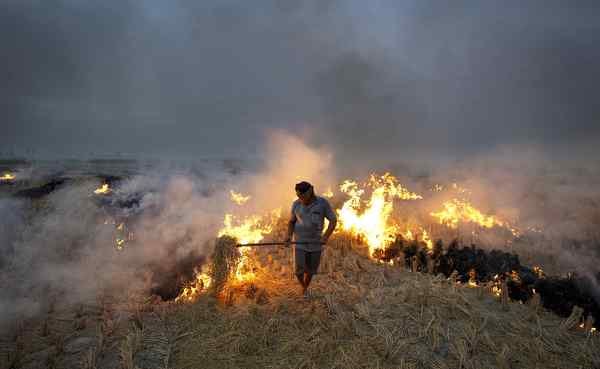
Why Stubble Fires Keep Coming Back: Causes & Solutions
The burning of stubble continues in Punjab and Haryana because of late harvesting of paddy, a narrow window for sowing wheat, expensive machinery and low demand for straw. While the number of fires reduced by 90% from 2022-25, satellite data shows that the reduction was just 30%. Possible solutions would be diversification of crops, cheaper machinery and guaranteed prices for straw.

Canadian poet Anne Carson wins Nobel Prize in Literature
The Nobel Prize in Literature was awarded to Anne Carson, the Canadian poet, essayist, and translator, for the fusion of classical Greek and Roman literature with modern thought. The books written by Anne Carson are Autobiography of Red and Eros the Bittersweet.

Chemistry Nobel for French-Japanese Duo: Mirrored Molecules
The 2026 Nobel Prize in Chemistry went to Henri Kagan and Kenso Soai for chirality research. Kagan showed tiny catalyst imbalances amplify into a strong preference for one molecular form; Soai demonstrated self-amplification of handedness. This enables asymmetric synthesis of single enantiomers, making medicines, agrochemicals and fragrances safer and more efficient.
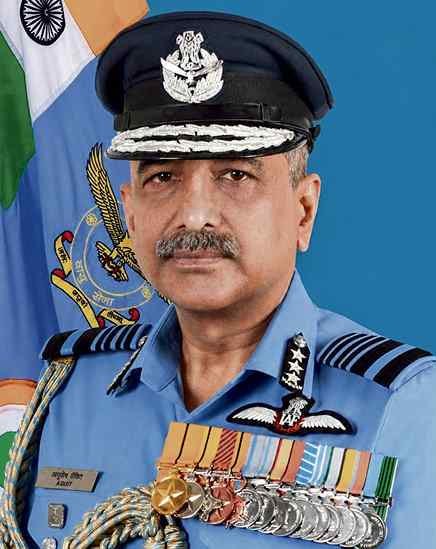
Air Marshal Ashutosh Dixit appointed next Indian Air Force chief
Air Marshal Ashutosh Dixit has been designated as the 29th Chief of the Air Staff, succeeding Air Chief Marshal Amar Preet Singh from 31 October. A combat fighter with 3,500 flying hours, he has headed many formations and played important roles in joint defence operations. His major concerns would be modernising the IAF, indigenisation, air defence, and jointness.
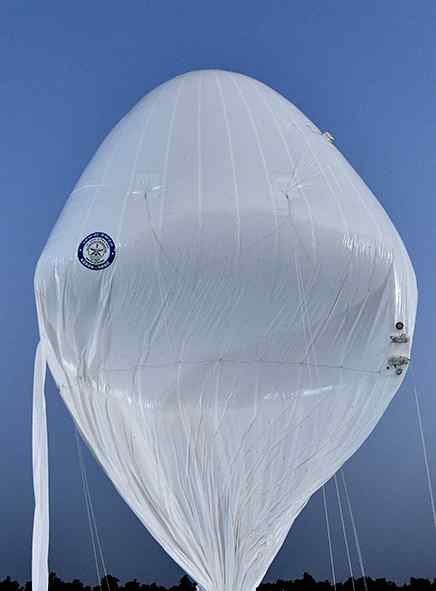
DRDO’s flight trial of high-altitude platform successful
The DRDO tested the indigenously developed High Altitude Platform System (HAPS) from an altitude of 21 km. Developed by ADRDE, Agra, the HAPS can support ISR and communication. It will be able to supplement satellite-based, air and drone platforms, enhancing India’s military strength and its Aatmanirbhar Bharat motto.
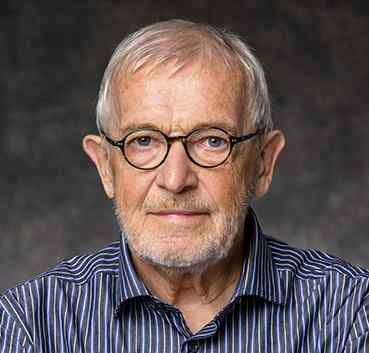
Pioneer of IceCube neutrino detector wins physics Nobel
2026 Nobel Prize in Physics was awarded to Francis Halzen for his efforts that led to the construction of the IceCube Neutrino Observatory in Antarctica. IceCube uses 1 km3 of ice and thousands of optical sensors to detect the presence of Cherenkov radiation caused by interactions between ice and extremely rare neutrinos.

The looming crisis of world unemployment
The 800 million shortage of jobs forecast by the World Bank risks turning the demographic dividend into joblessness and instability. Automation and early deindustrialisation risk weakening growth led by manufacturing. India needs to focus on labour-intensive sectors, MSMEs, care work, food processing, and green manufacturing to transform its young workforce into productivity.
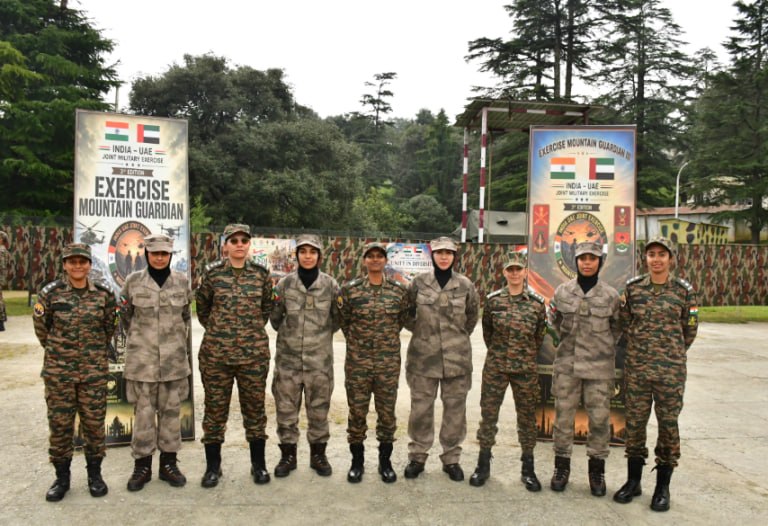
India-UAE Exercise Mountain Guardian 2026 Begins in Uttarakhand
Mountain Guardian 2026 is an exercise between India and the UAE that takes place in Chaubatia, Uttarakhand, from 5 to 18 October 2026. The exercise centres around "mountain warfare, drones and surveillance". There are 92 people involved in the exercise, which will improve "interoperability, coordination, technology sharing, and understanding.

Does a Visa Guarantee Entry into India? Explained
The Delhi High Court ruled that a valid visa does not guarantee entry into India. Under the Immigration and Foreigners Act, 2025, the State can refuse admission on grounds such as national security, sovereignty, public order and public health. Foreigners enjoy Article 21 protection, but not Article 19(1)(e) rights.

India’s First 5.56 km Free‑Space Quantum Key Distribution Link Demonstrated
The country has shown its first demonstration of free-space Quantum Key Distribution (QKD) over a distance of 5.56 km between BISAG-N and IIT Gandhinagar using QNu Labs. With the help of Armos, PAT, PQC, and QRNG, this experiment has successfully generated keys and provided end-to-end encryption.
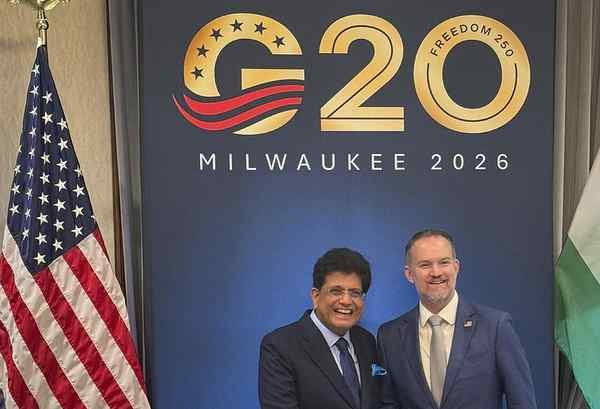
India Has No Excess Capacity, Bans Forced-Labour Imports
India dismissed the claim of structural excess capacity made by the U.S., arguing that the country’s manufacturing is based on demand, both domestic and international. It also highlighted its commitment to prohibiting forced labour and banning the import of forced labour products, as per its constitution and ILO rules.
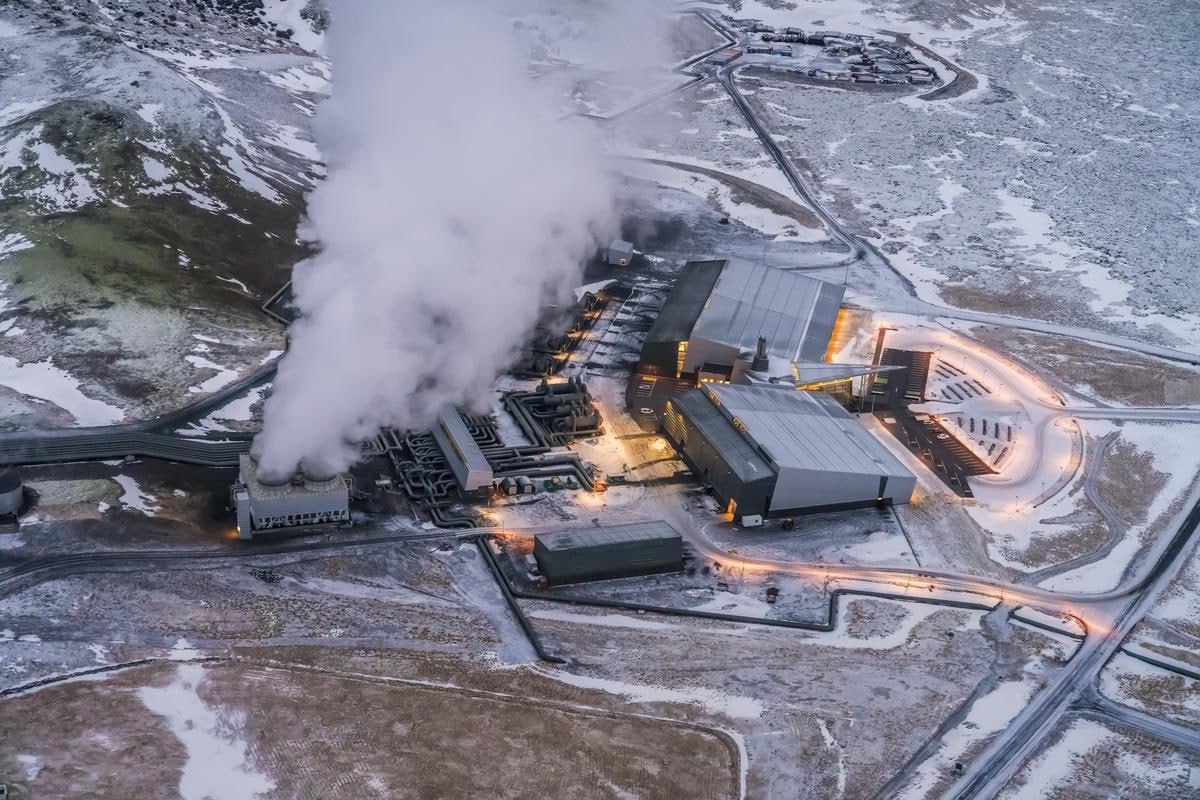
India-EFTA Partnership: One Plus One Equals Three
The India–EFTA Trade and Economic Partnership Agreement (TEPA), which came into effect on 1 October 2025, is not only about reducing tariffs but also covers aspects like trade, investment, job creation, and technology cooperation. The proposed $100-billion investment over 15 years by EFTA can assist in industrial development. Iceland provides experience in areas like geothermal energy, carbon capture and utilisation and storage, e-fuels, and fisheries; cooperation will enhance India’s involvement in the Arctic region.
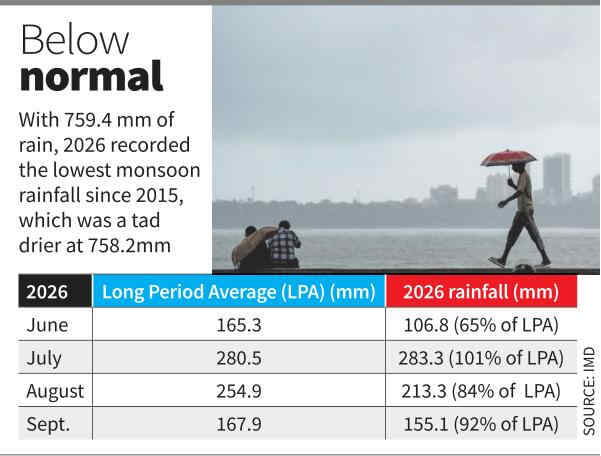
Southwest Monsoon Ends with 12% Deficit: IMD
The monsoon season of India in 2026 recorded 759.4 mm of rainfall, which was 12.6% less than the long-period average and the lowest since 2015. The strong El Niño phenomenon was responsible for the shortfall in precipitation. Shortfalls were experienced in the East, Northeast and Southern Peninsular regions.