Topic
Social Issues
Latest UPSC current affairs on Social Issues for Prelims and Mains.
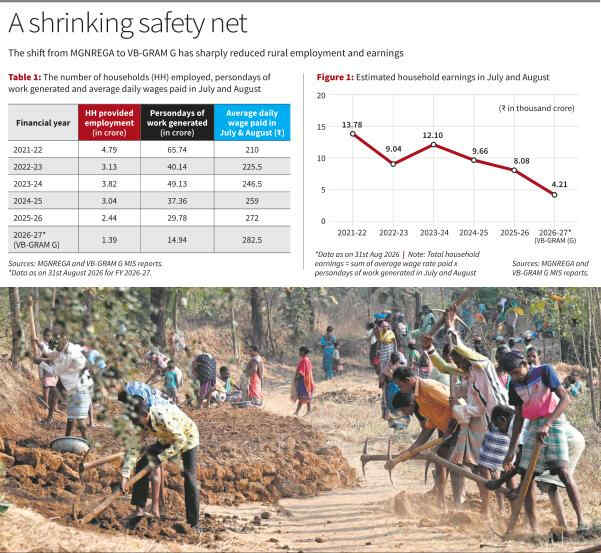
The Broken Promise of Right to Work in India
Rural employment has decreased by 68 per cent following the replacement of MGNREGA by the VB-GRAM G Act, which restricts funding, decouples the wages paid from the minimum wage level, and permits denotification of the area. The Supreme Court raised doubts as to whether the right to work is a fundamental right under Article 21.
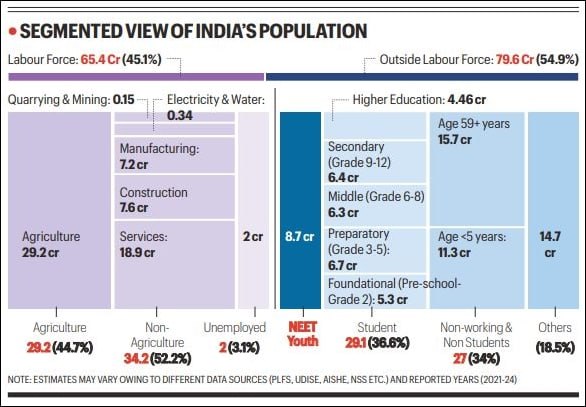
Only 8.25% Graduates Work in Jobs Matching Qualifications: NITI Aayog
NITI Aayog stresses the existence of an acute education-to-employment gap in India, where merely 8.25% of graduates are in occupations that correspond to their education level. With outdated curricula, poor industrial-academic connections and low numbers of apprentices, India needs to adopt a curriculum linked to industries, vocational training and apprenticeship to ensure employability.
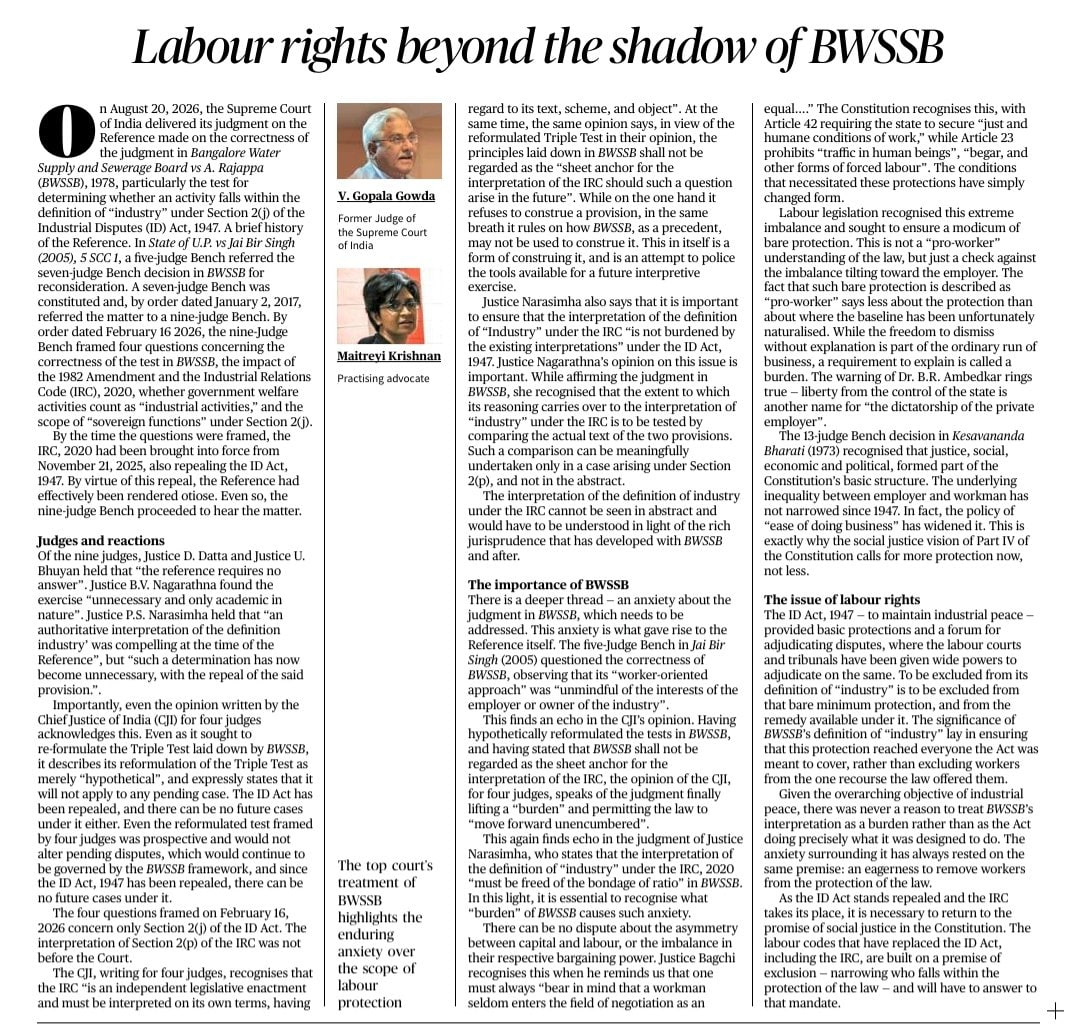
Labour rights beyond the shadow of BWSSB
The Supreme Court’s consideration of the BWSSB vs. A. Rajappa case in 2026 is a manifestation of the tension that exists between the safeguarding of labour and the elasticity of the economy. Despite the scrapping of the Industrial Disputes Act through the enactment of the Industrial Relations Code, social justice remains a constitutional duty.
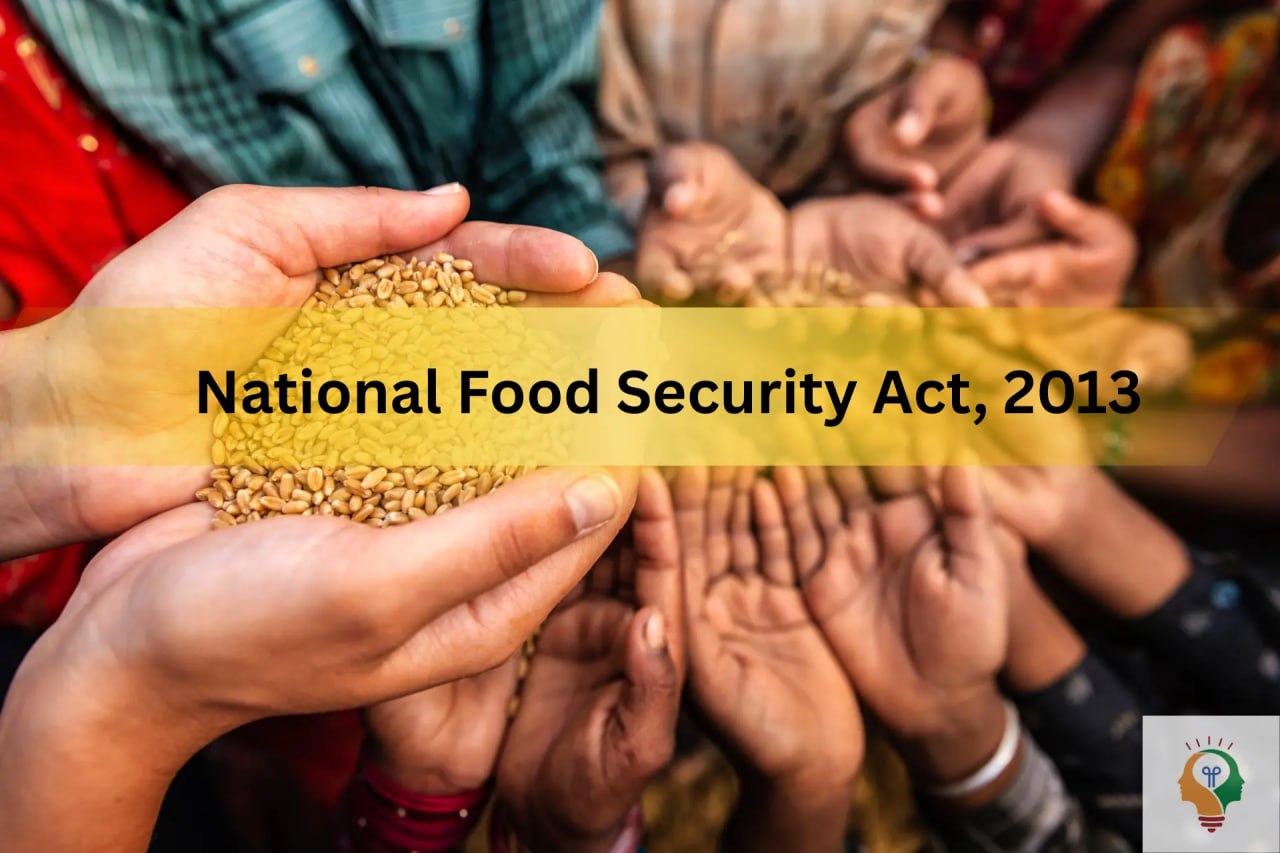
A Timely Reset for the Food Security Act: Explained
The food security strategy of India should move beyond grain security towards achieving nutrition security. The AAY scheme amendment of 7 kg per head, up to a maximum of 35 kg, could be detrimental for smaller households. Reforms should ensure that there is no loss, an NFSA beneficiaries’ list update based on Census 2027, and diversification of the PDS basket.
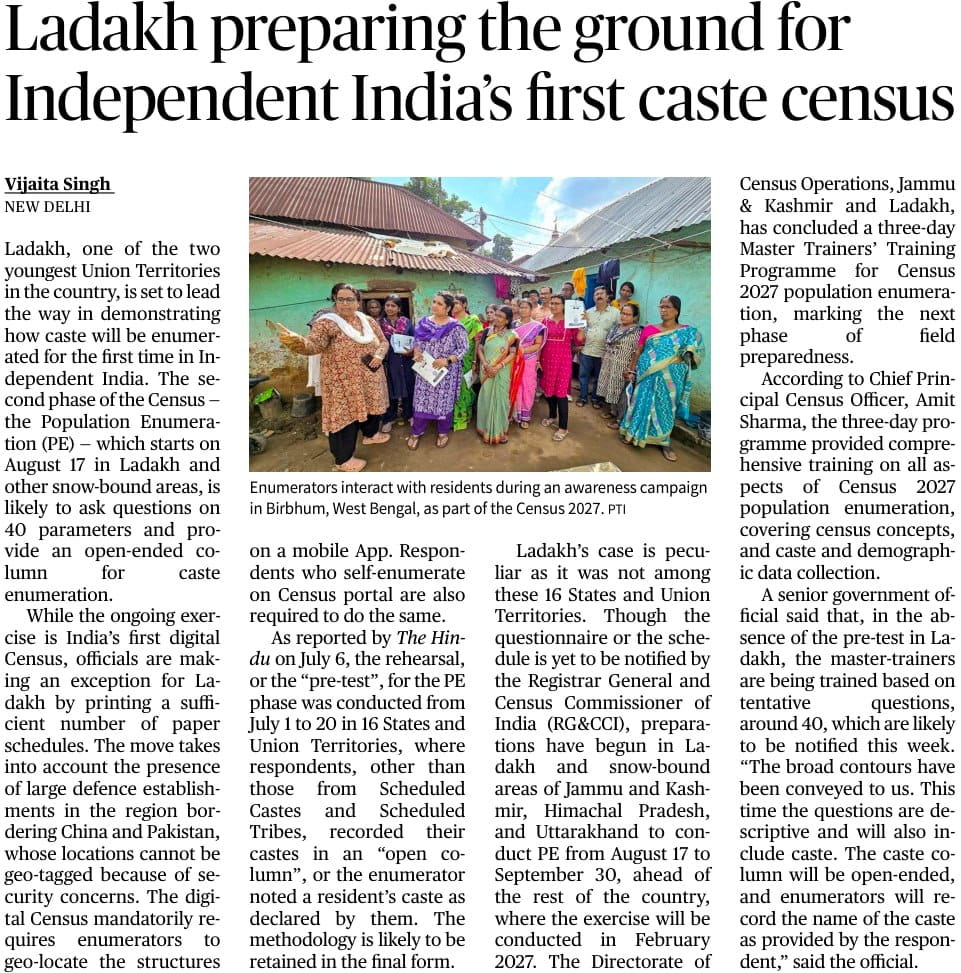
Ladakh to Lead Independent India’s First Caste Enumeration
The Census 2027 will have the enumeration of castes in India, with Ladakh taking the lead in Population Enumeration since August 17. There will be an open-ended column for caste enumeration that will allow self-declaration. This process can help in formulating more effective policies regarding reservation and welfare, although many problems may arise.

Drugs-Free Youth Crucial for Developed India: PM Modi
Nasha Mukt Yuva for Viksit Bharat Sankalp Abhiyan is a nation-wide initiative which lasts for 100 weeks to make a drug-free young generation by adopting methods like creating awareness, preventing youth from drugs and rehabilitating people from trafficking. Through community participation and adopting a healthy lifestyle, it intends to capitalise on India’s demographic dividend.