Background
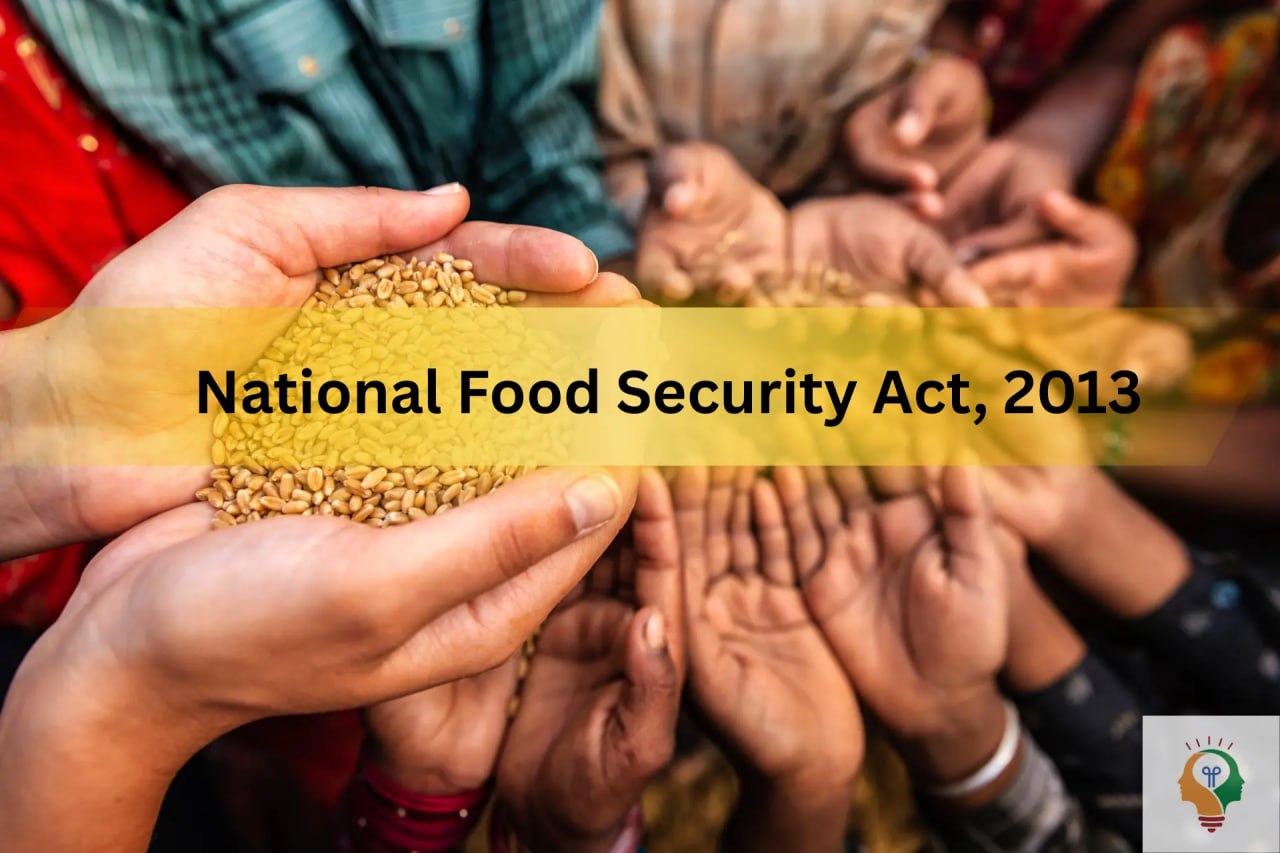
The National Food Security Act (NFSA), 2013 provides subsidised/free foodgrains to vulnerable sections.
Priority Households (PHH): 5 kg foodgrains per person per month.
AAY households: 35 kg per household per month, irrespective of family size.
The present AAY system can disadvantage larger households on a per-person basis:
7-member family → 5 kg/person
8-member family → about 4.4 kg/person.
The draft amendment proposes 7 kg/person, capped at 35 kg.
However, this would reduce the entitlement of households with 1–4 members, while households with five or more members would largely remain unchanged.
NFSA permits coverage of up to 75% of rural and 50% of urban population, but the beneficiary ceiling of 81.35 crore is still linked to Census 2011.
India therefore faces two connected but distinct challenges:
food access/poverty and access to a healthy, nutritious diet.
Features
Reforming AAY Entitlements
Current system: 35 kg per household.
Proposed system: 7 kg per person, maximum 35 kg.
Small households could lose a substantial part of their existing entitlement.
A no-loss safeguard has therefore been suggested to protect the existing 35 kg entitlement.
Expanding Coverage
Around 80 crore people currently receive free foodgrains.
With India's population estimated at 146.4 crore in 2025, the existing ceiling covers only around 55.6% of the population.
The beneficiary ceiling should be reassessed using updated population and deprivation data after the Census 2027.
From Food Security to Nutrition Security
India has made progress in reducing stunting, but:
Wasting and underweight remain persistent.
Only around 15% of children aged 6–23 months receive a minimally adequate diet.
India simultaneously faces a growing burden of diabetes and other non-communicable diseases (NCDs).
This represents India's double burden of malnutrition—undernutrition alongside obesity, diabetes and diet-related NCDs.
Need for Dietary Diversification
A cereal-heavy food basket alone cannot guarantee nutrition security.
The ICMR-NIN 2024 dietary guidelines emphasise greater consumption of:
Pulses and beans, milk and other protein sources, nuts, vegetables and fruits; appropriate quantities of cereals and millets.
The policy should therefore promote dietary diversity without reducing cereal security.
Strengthening PDS Delivery
India has developed significant digital infrastructure:
Nearly all Fair Price Shops have electronic point-of-sale devices.
One Nation One Ration Card (ONORC) has enhanced portability of food entitlements.
However, safeguards are needed against: Authentication failures, Digital exclusion, Mobility-related difficulties, Denial of ration because of technological problems.
Challenges
Risk of Reduced Entitlements
The proposed per-person formula could reduce foodgrain support for small AAY households, including: Elderly persons living alone, widows, persons with disabilities, and other highly vulnerable households.
Outdated Beneficiary Base
The NFSA coverage ceiling is based on 2011 population data, potentially leaving many eligible people outside the system.
Double Burden of Malnutrition
India must simultaneously tackle: Stunting, Wasting, Underweight, Anaemia, Diabetes, Obesity, Other NCDs.
Fiscal Constraints
Diversifying the PDS basket through pulses, oils and other nutritious foods requires additional resources.
The Union Budget 2026–27 allocated ₹2,27,629 crore for food subsidy, making transparent fiscal costing essential.
Way Forward
Guarantee No Loss
The existing 35 kg AAY entitlement should be protected through an explicit no-loss provision.
Reassess Larger Households
The adequacy of the 35 kg ceiling should be periodically reviewed using: Household sizeDependency ratiosConsumption dataNutritional requirementsFiscal sustainability.
Update NFSA Coverage
After Census 2027, revise beneficiary numbers using updated population data and transparent deprivation criteria. Meanwhile, inclusion and appeal mechanisms should be strengthened.
Diversify the PDS Basket
States should gradually introduce: Pulses, millets, local varieties of rice and wheat, healthy edible oils, where feasible.
The diversification should be additional to—not financed by cutting—existing cereal entitlements.
Strengthen Local Procurement
Government procurement and MSP policy should encourage production of: Pulses, Millets, Oilseeds.
This can simultaneously support farmers, nutrition and local food systems.
Conclusion
Food security policy in India needs to move towards “food and nutrition security,” but reforms in nutrition should not occur to the detriment of any existing anti-hunger safety net. The best solution is to provide protection for the 35 kg of AAY allocation, revisit the requirements of larger households and vulnerable people, expand the scheme based on more up-to-date data, and fund dietary diversification separately. True food security is not just about grain allocations, but whether vulnerable people can get enough to eat and do so in a dignified manner.