Topic
Polity & Governance
Constitution, governance, polity and institutions for UPSC.
India’s NGOs at a New Funding Crossroads
The draft FCRA Amendment Bill 2026 proposes provisional vesting and disposal of assets of deregistered NGOs, raising concerns over financial autonomy, welfare institution disruption, and civil society space. Balancing national security and transparency with legitimate charitable activity is essential. Way forward: clear asset rules, funding diversity through domestic philanthropy, CSR, retail giving, and stakeholder consultation.
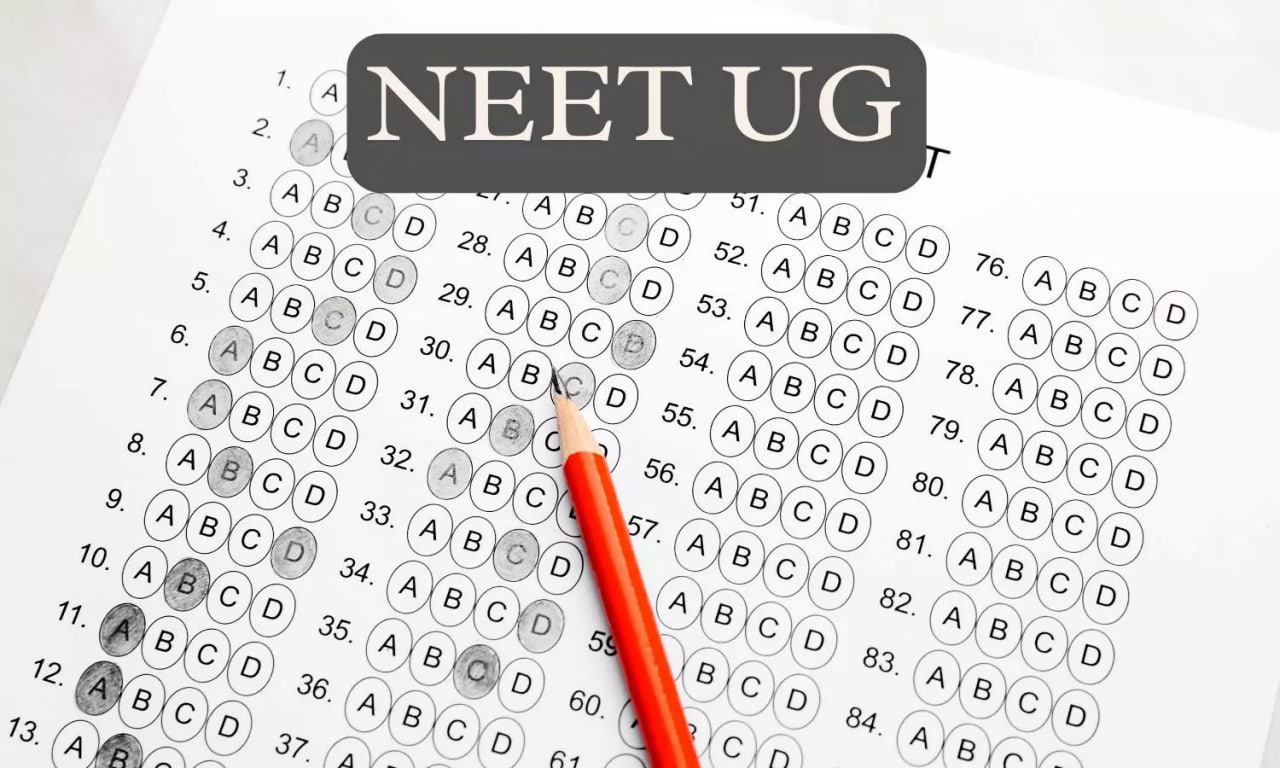
NEET-UG May Shift to Computer-Based Test: Centre
The government plans to move from the traditional pen-and-paper to a computer-based test for NEET-UG in light of the 2026 scandal of leaking question papers, according to the recommendations of the task force headed by Nilekani. The Supreme Court insists that change should not only involve technology but also institutional stability, permanent staff of NTA, cybersecurity, and accountability.
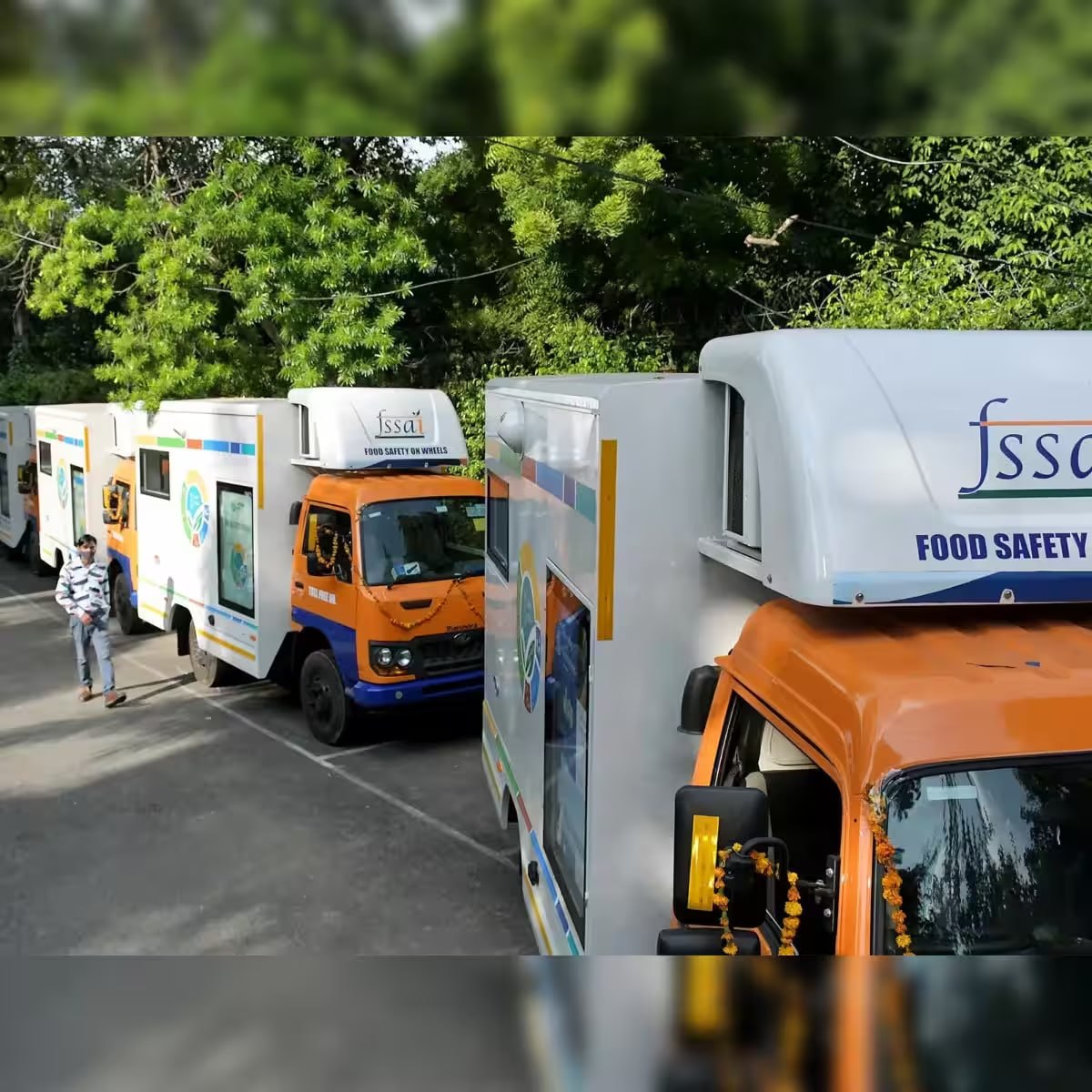
SC Seeks Clarity on FSSAI Warning Label Norms
Supreme Court questions FSSAI on front-of-pack warning label thresholds for high sugar, salt, and fat. FSSAI's red hexagonal proposal lacks clear numerical limits, relying on advisory Dietary Guidelines. Challenges: two-nutrient trigger loophole, unpackaged foods, consumer comprehension.
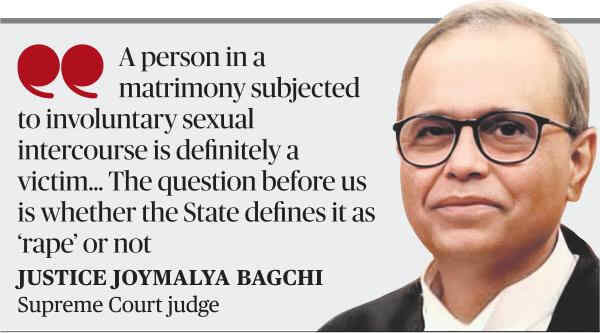
Marital Rape: SC Says Legislature Must Make It Punishable
Supreme Court says Parliament must decide on criminalising marital rape, as IPC/BNS retain a marital exception despite constitutional principles of dignity, equality, and bodily autonomy. Key issues: consent, Article 14 and 21, legislative vs judicial domain.
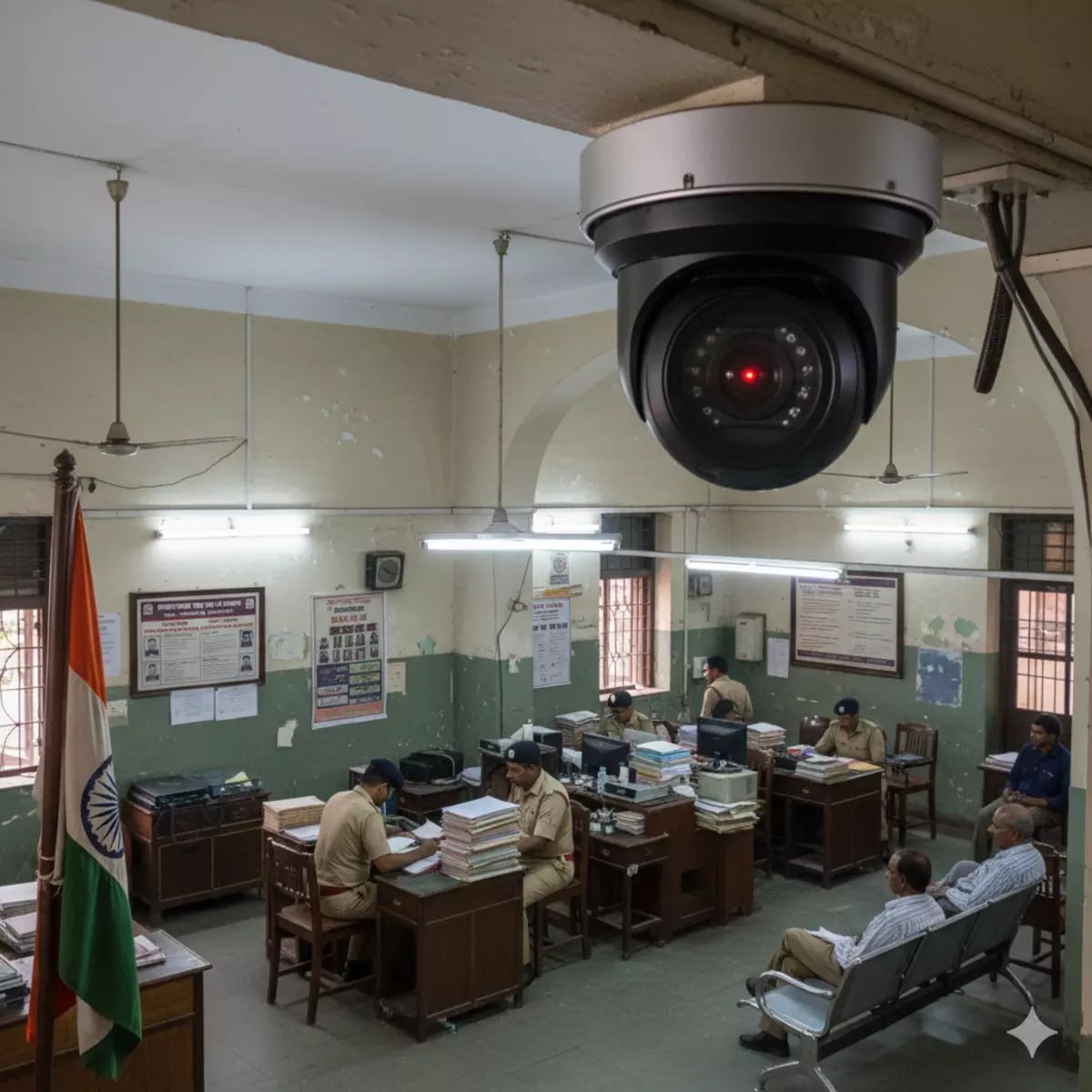
Implementing ₹24,000-crore scheme to modernise police, Centre tells Supreme Court
Centre announces ₹24,000-crore Police Modernisation Mission over five years for State and Central police forces. Supreme Court was informed amid concerns over non-functional CCTV cameras. Challenges: fund underutilisation, maintenance gaps, manpower shortage, and lack of police reforms. Success depends on outcome-based funding, lifecycle maintenance, reforms, and citizen-centric accountability.
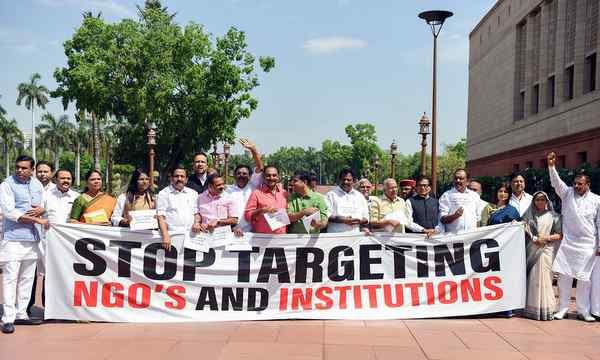
Constitutional Fault Lines in the FCRA Bill Explained
The FCRA Amendment Bill 2026 empowers the government to seize and dispose of the properties of NGOs once their registration is cancelled, and thus there are constitutional issues with executive excesses, proportionality, and institutional independence. The need for balance between national security and individual rights is vital. Way forward: clear guidelines, safeguards, timely action, and judicial supervision.
Over 7,200 CBI cases under Prevention of Corruption Act pending trial, says CVC report
Over 7,200 cases of corruption against CBI await trial, with more than 400 cases awaiting more than 20 years. In addition, 14,083 cases of appeal create additional delays. Though there is a very high rate of conviction amounting to 71.71%, long-drawn litigation reduces the effectiveness of the deterrence process.
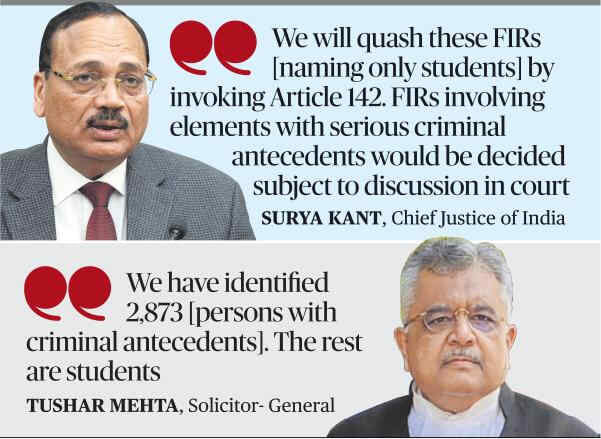
SC to quash FIRs against student protesters
Supreme Court can look into utilising Article 142 for quashing FIRs made against students for their non-violent protests on account of the anomalies associated with NEET-UG. This case has serious implications in terms of differentiating between a non-violent protest and crime, and the conflict between Article 19 rights and maintenance of public order.
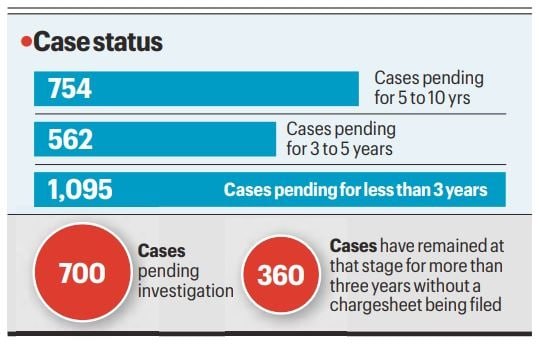
Over 4,000 Cases Pending Against MPs, MLAs | SC Report
The 22nd amicus brief draws attention to the delay in 4,192 criminal cases involving sitting and retired MPs/MLAs, 519 of which have been pending for more than ten years despite directives from the Supreme Court regarding the setting up of special courts. The delay in such cases is due to lack of capacity, investigative hurdles, adjournments, and poor monitoring.
The Stakes in India’s Delimitation Debate Explained
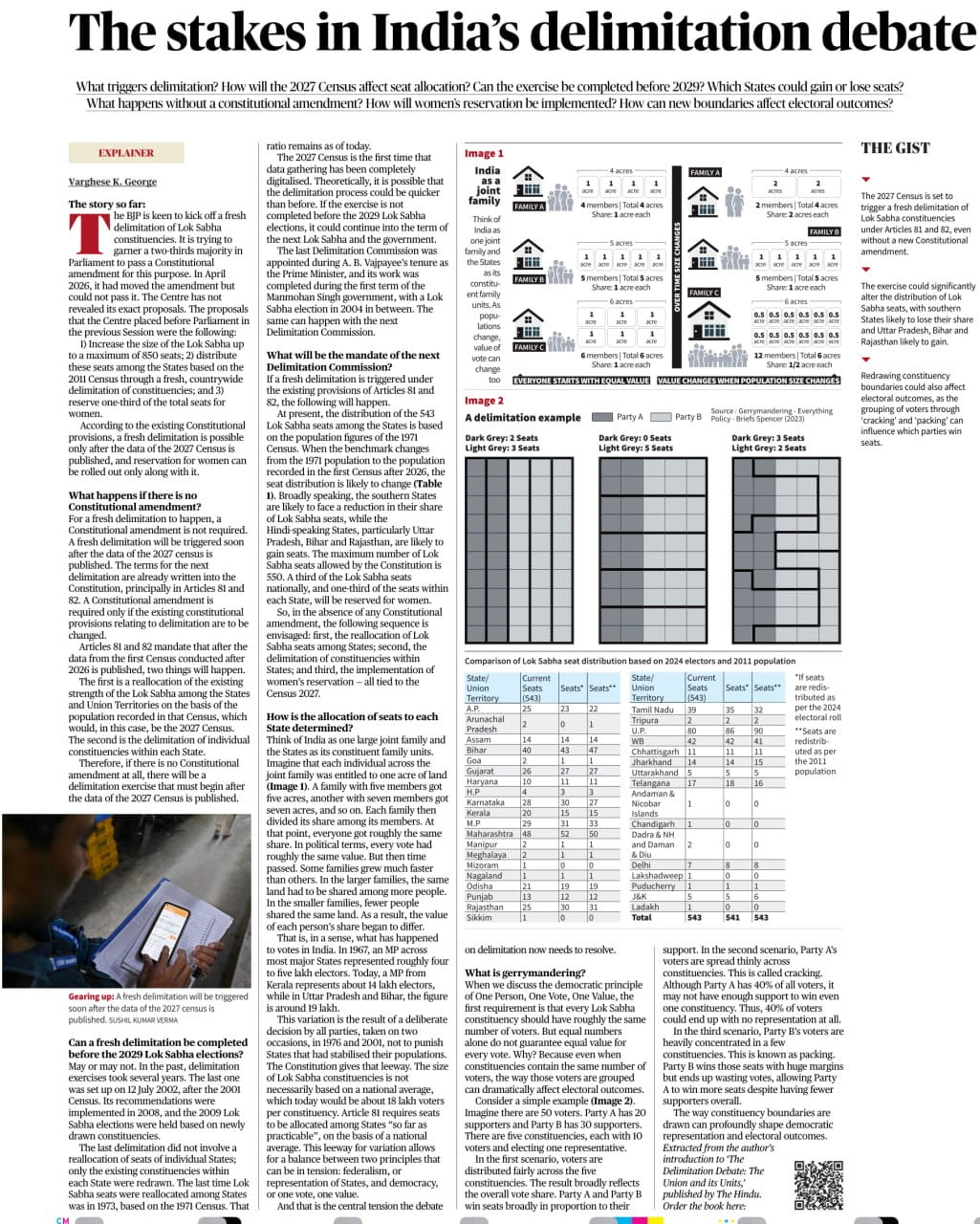
The post-2027 Census delimitation process will likely lead to the redistricting of seats in the Lok Sabha on the basis of population growth, giving rise to an advantage for the high population growth states at the expense of the population stabilizing southern states. The issue revolves around federalism, ‘one person one vote’, population stabilization, reservation for women, and fairness in elections.

Parliament Clears Bill to Strengthen Birth and Death Registration
The Registration of Births and Deaths (Amendment) Bill, 2026 will help improve the Civil Registration System of India by making it mandatory that a JMFC order is needed to register births or deaths that have been reported more than two years after the event. This bill will ensure that there are no fraudulent entries in the system.

Why Are Government Schools Shutting Down in India?
According to a report by NITI Aayog, there have been around 94,000 school closures or mergers during the last decade due to school rationalisation. Although the process is geared towards optimising resources as per NEP 2020, questions arise regarding accessibility problems, greater chances of dropouts, and violations of the neighbourhood provision of the RTE Act.

Public Examinations (Prevention of Unfair Means) Amendment Bill, 2026 taken up in Lok Sabha
The Public Examinations (Prevention of Unfair Means) Amendment Bill, 2026 is an improvement on the 2024 legislation that penalises leakages of papers and examination fraud with stringent measures, setting up fast-track courts, and making investigations time-bound. The bill seeks to ensure that merit is safeguarded, there is transparency, restoring public confidence, and strengthening the credibility of exams in India.
Right to Protest in India: Police Permission and Law
The police action against the 20 July 2026 march to Parliament has revived the oldest question in Indian public law: can a fundamental right require a permission slip? Complete UPSC analysis of Article 19(1)(b), Section 163 BNSS, the Police Act 1861 and the landmark judgments from Himat Lal to Shaheen Bagh.

Fast-Track Courts in India: Meaning, Features & Importance
The Fast-Track Courts (FTCs) help speed up cases that need to be tried, but these courts do not have their own special legislation. They depend on having sufficient judges, facilities, investigations, and forensic aid for effective operations. Even though they have helped increase the disposal rate, vacancies in judges and poor investigations pose serious problems.

Is Yashwant Varma Still a Judge? Latest Status Explained
Judicial independence and accountability were put into question when Justice Yashwant Varma resigned from his position in April 2026 following the misconduct allegation. Resignation terminates the process of removal which means that constitutional and statutory changes have to be made in order for Parliament to continue overseeing judges and maintain public trust in the judiciary.