Tag
#International Relations
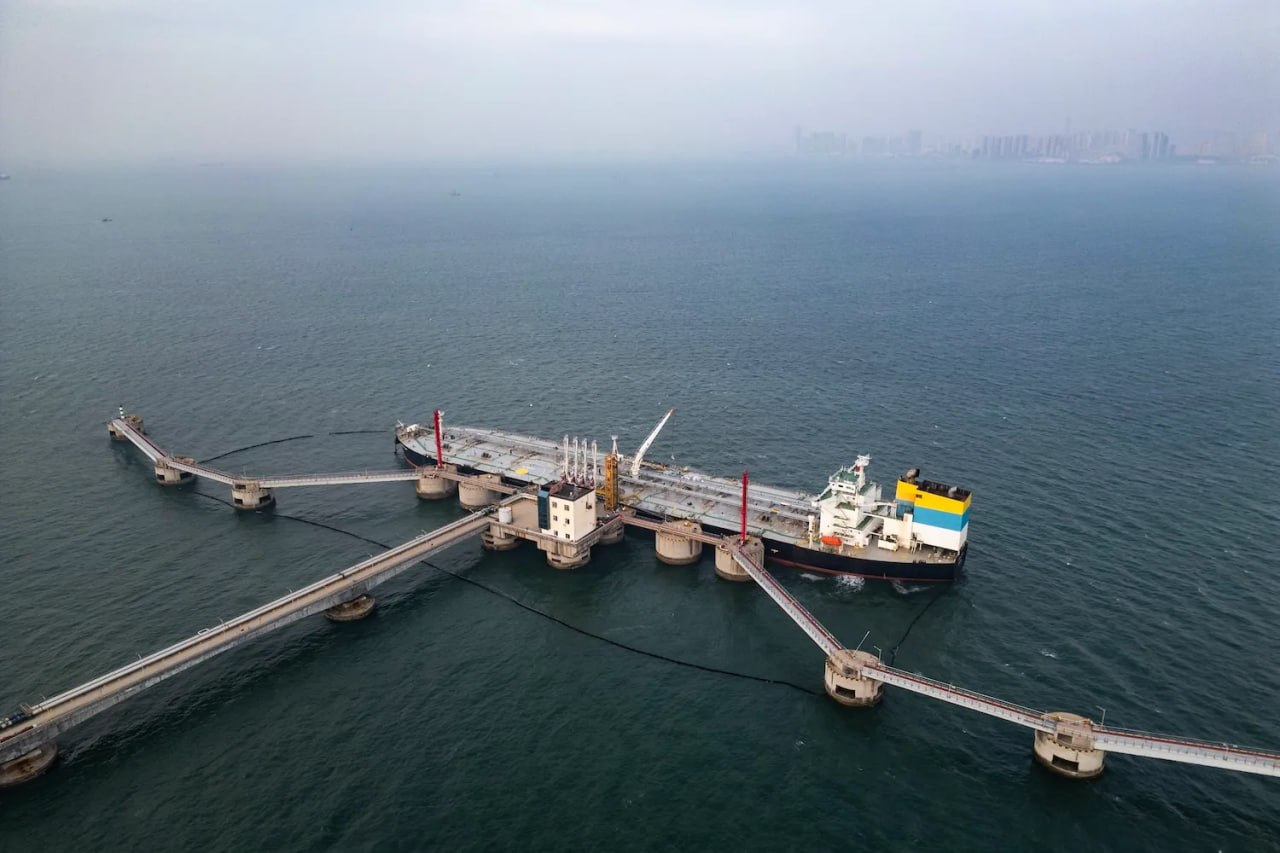
Malacca-Singapore Model for Resolving Hormuz Crisis
Malacca-Singapore example proves that littoral nations can strike a balance between their territorial sovereignty and free flow of navigation through cooperation, transit passage, and use of common maritime facilities. It is hard to apply the same logic for the Hormuz Strait due to Iran’s security considerations, non-ratification of UNCLOS and rivalry.
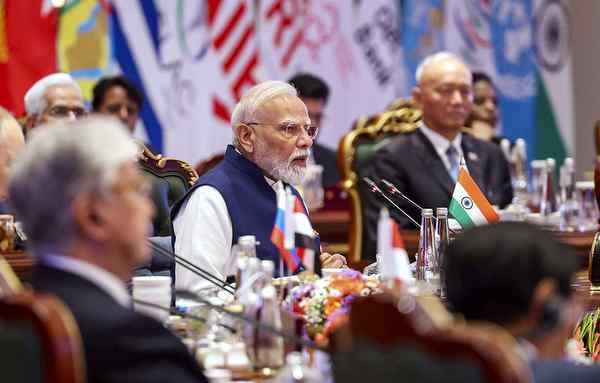
Modi Flags Weaponisation of Technology and Critical Minerals
PM Modi encouraged BRICS to guard against the militarisation of technologies and rare metals and to concentrate on tangible achievements. These include joint health care and disaster warning systems, logistics resilience, startups and MSME collaboration, digital agriculture, smart grids, and energy storage. BRICS needs to consider geopolitical competition, technology imbalance, supply chain reliance, cyber security, and the execution gap.
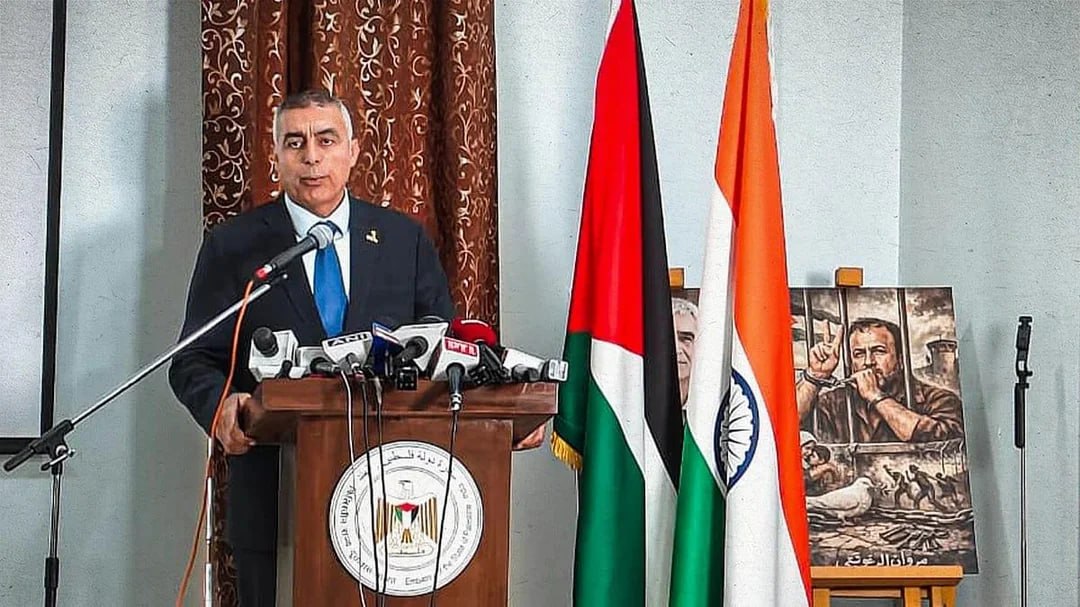
Palestine Backs India’s Bid for UN Security Council Seat
Palestinian backing of India’s campaign to become a member of the UNSC for 2028-29 is going to bolster India’s diplomatic standing and is reflective of increasing cooperation between the countries. India’s foreign policy follows a de-hyphenation approach wherein strategic relations are maintained with Israel even though India backs Palestinian statehood and the two-state solution approach.
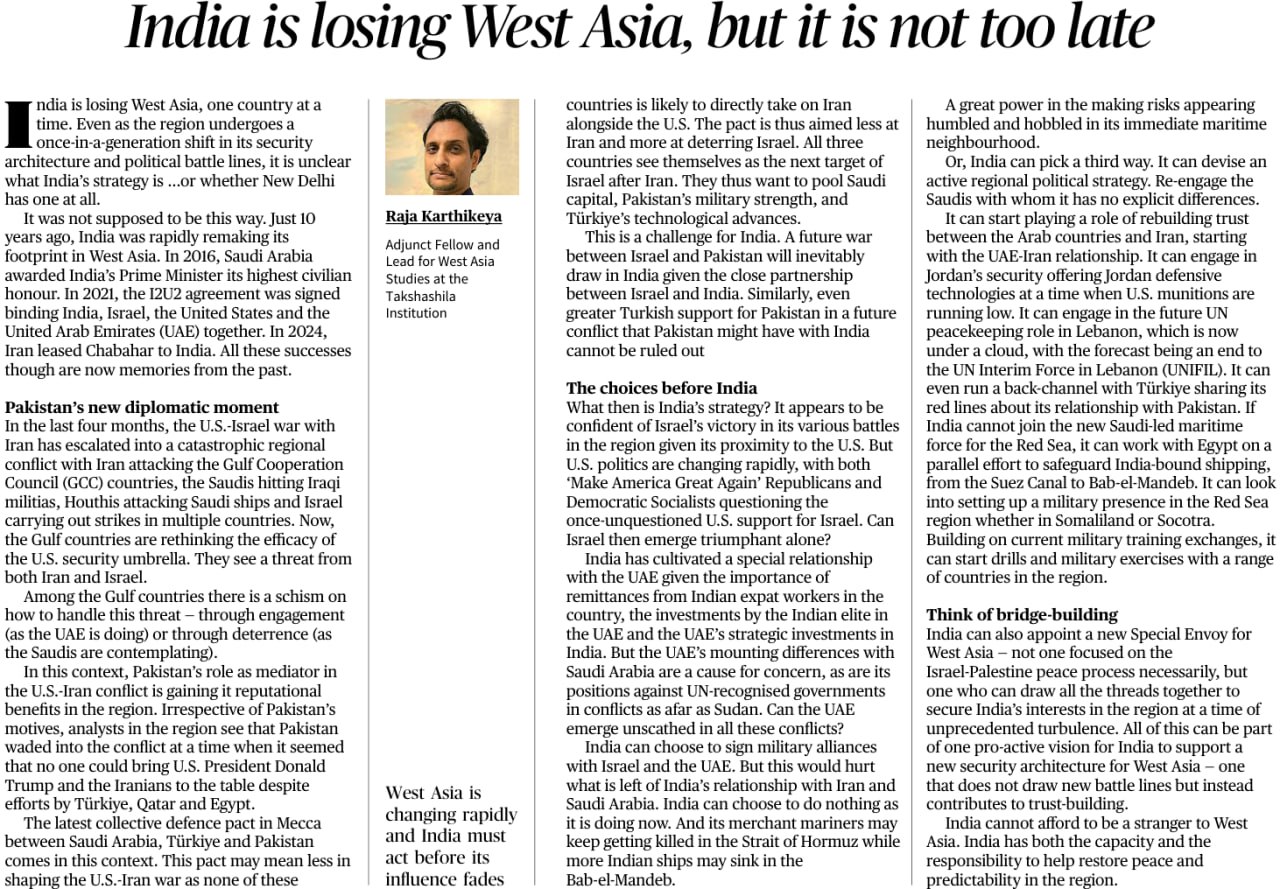
India is losing West Asia, but it is not too late
India is in the middle of an evolving security environment of West Asia, which is fraught with problems concerning Iran, Israel, and the Gulf countries and Pakistan. As West Asia is an area of utmost importance due to its energy resources, trade, diaspora, and maritime interests of India, the country needs to adopt proactive multi-alignment and strategic autonomy and build stronger maritime security.

India Names 27 Places in Arunachal Pradesh on Official Map
The official nomenclature of 27 places in Arunachal Pradesh by India strengthens its sovereignty and negates the attempts by China to rename them. The step reflects the significance of map-making in international politics. It also emphasises the significance of good maps, border infrastructure, strategic preparation, diplomacy, and efforts for an acceptable India-China border settlement.