Background
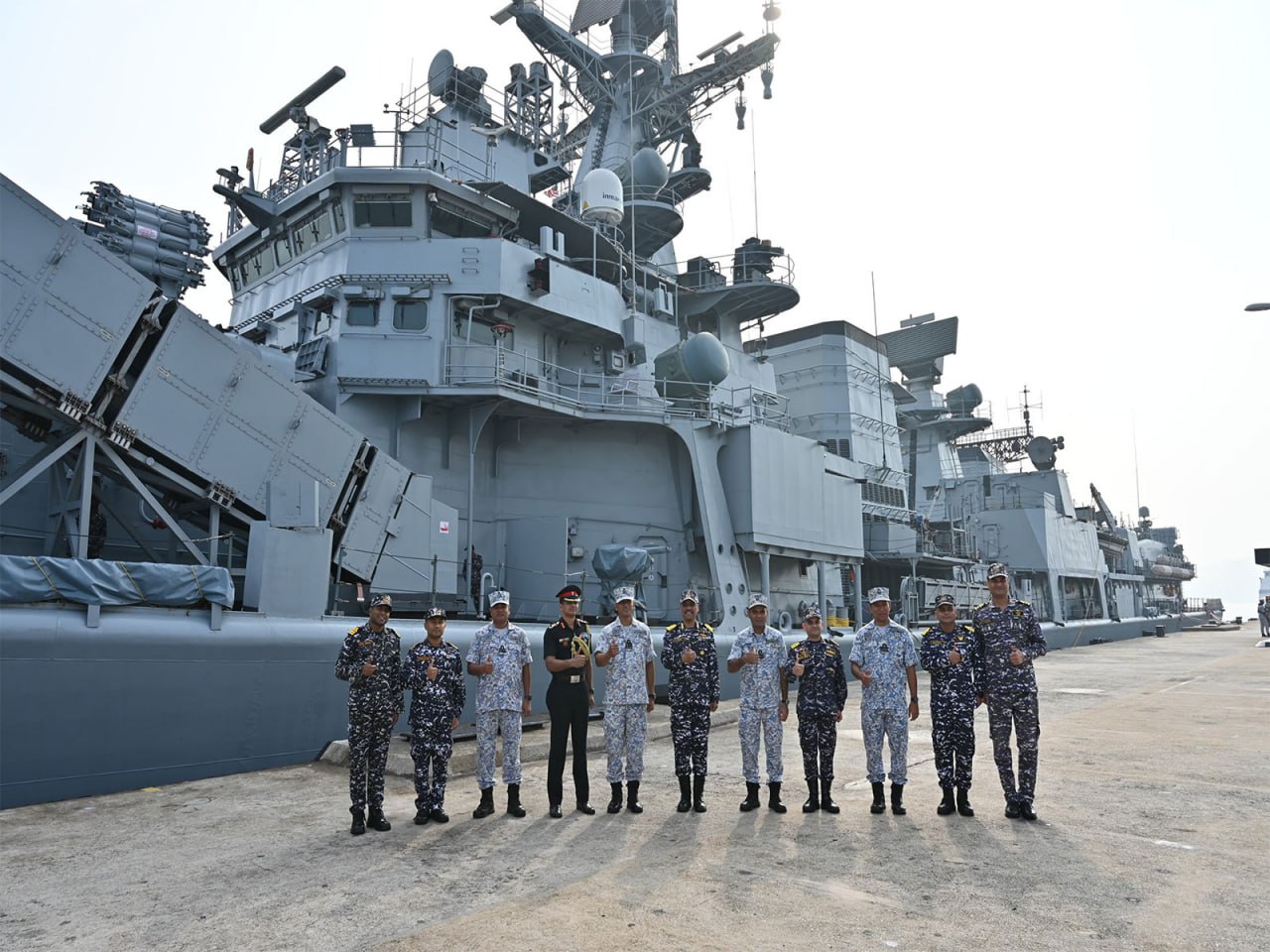
Samudra Laksamana is a bilateral naval exercise between the Indian Navy and the Royal Malaysian Navy.
It aims to improve maritime interoperability, coordination and operational cooperation.
Lumut is an important Malaysian naval base on the west coast of Peninsular Malaysia.
Its location is strategically significant because of its proximity to the Strait of Malacca, a major global maritime chokepoint.
INS Mysore is a Delhi-class guided-missile destroyer of the Indian Navy.
Features
India–Malaysia maritime cooperation - strengthens defence ties.
Act East Policy - supports India's deeper engagement with ASEAN and Southeast Asia.
Indo-Pacific outreach - contributes to a free, open and rules-based maritime order.
Maritime security - enhances cooperation against common maritime threats.
Strait of Malacca - strategically important for global trade and energy flows.
Challenges
Maritime security threats such as piracy, trafficking and illegal fishing.
Strategic competition and increasing geopolitical activity in the Indo-Pacific.
Need for greater information sharing and interoperability among regional navies.
Maintaining a balance between India's strategic interests and ASEAN's sensitivities.
Way Forward
Increase the frequency and complexity of bilateral naval exercises.
Strengthen maritime domain awareness and information sharing.
Expand cooperation in HADR, anti-piracy and search-and-rescue operations.
Deepen India's defence engagement with ASEAN maritime states.
Conclusion
The Samudra Laksamana case highlights India's growing involvement in maritime matters in Southeast Asia. The cooperation between India and Malaysia is noteworthy in this regard due to Malaysia's close proximity to the Strait of Malacca.