Tag
#Upsc Polity

Does a Visa Guarantee Entry into India? Explained
The Delhi High Court ruled that a valid visa does not guarantee entry into India. Under the Immigration and Foreigners Act, 2025, the State can refuse admission on grounds such as national security, sovereignty, public order and public health. Foreigners enjoy Article 21 protection, but not Article 19(1)(e) rights.
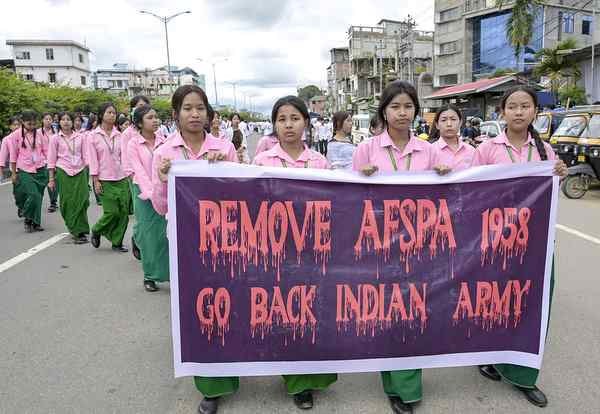
AFSPA Provisions Explained: Key Features and Powers
AFSPA, enacted in 1958, grants armed forces special powers in areas declared “disturbed” under Section 3. It permits the use of force, arrest, search and destruction of certain insurgent infrastructure, with legal protection under Section 6. Its continuation raises concerns over human rights and accountability, requiring regular review, civilian policing and dialogue.
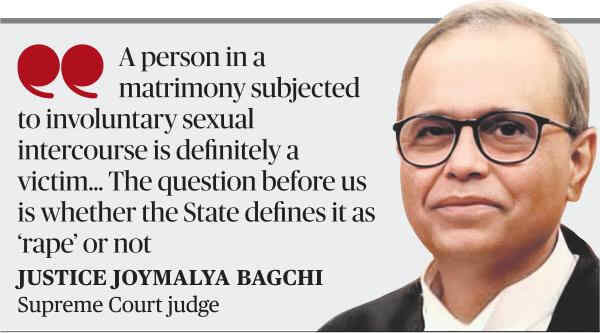
Marital Rape: SC Says Legislature Must Make It Punishable
Supreme Court says Parliament must decide on criminalising marital rape, as IPC/BNS retain a marital exception despite constitutional principles of dignity, equality, and bodily autonomy. Key issues: consent, Article 14 and 21, legislative vs judicial domain.
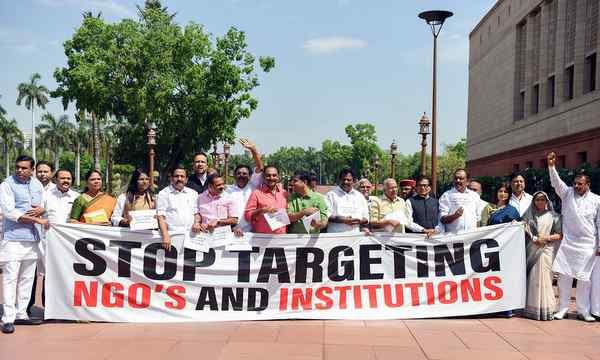
Constitutional Fault Lines in the FCRA Bill Explained
The FCRA Amendment Bill 2026 empowers the government to seize and dispose of the properties of NGOs once their registration is cancelled, and thus there are constitutional issues with executive excesses, proportionality, and institutional independence. The need for balance between national security and individual rights is vital. Way forward: clear guidelines, safeguards, timely action, and judicial supervision.

Over 7,200 CBI cases under Prevention of Corruption Act pending trial, says CVC report
Over 7,200 cases of corruption against CBI await trial, with more than 400 cases awaiting more than 20 years. In addition, 14,083 cases of appeal create additional delays. Though there is a very high rate of conviction amounting to 71.71%, long-drawn litigation reduces the effectiveness of the deterrence process.
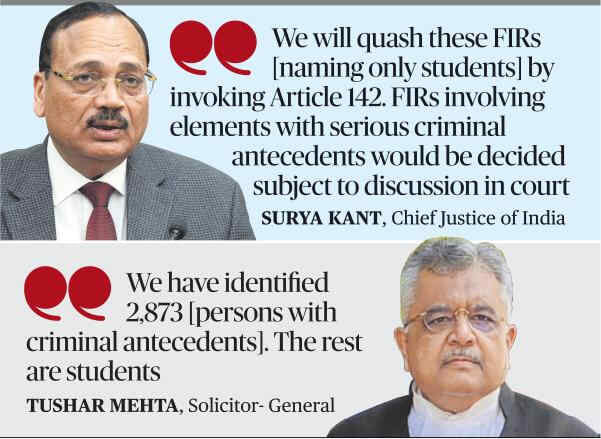
SC to quash FIRs against student protesters
Supreme Court can look into utilising Article 142 for quashing FIRs made against students for their non-violent protests on account of the anomalies associated with NEET-UG. This case has serious implications in terms of differentiating between a non-violent protest and crime, and the conflict between Article 19 rights and maintenance of public order.
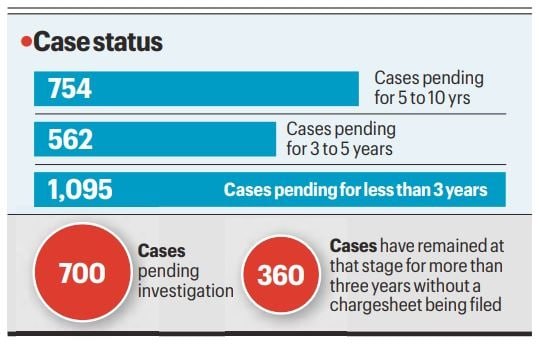
Over 4,000 Cases Pending Against MPs, MLAs | SC Report
The 22nd amicus brief draws attention to the delay in 4,192 criminal cases involving sitting and retired MPs/MLAs, 519 of which have been pending for more than ten years despite directives from the Supreme Court regarding the setting up of special courts. The delay in such cases is due to lack of capacity, investigative hurdles, adjournments, and poor monitoring.