DailyGS3medium

PM Modi Pitches India as Global Chipmaking Destination

India has unveiled its Semiconductor Mission 2.0 with an allocation of ₹1.27 lakh crore to make itself a world-class semiconductor manufacturing hub focusing on value chain aspects including design, manufacturing, testing, equipment, material and R&D. India has plans to develop 200+ chip design startups and 1 lakh skilled technicians. The investments made by global companies like Applied Materials, Micron and Infineon will give more hopes to India.

18 Sept 2026 3 min read 5 views
PM Modi Pitches India as Global Chipmaking Destination

Quick Revision

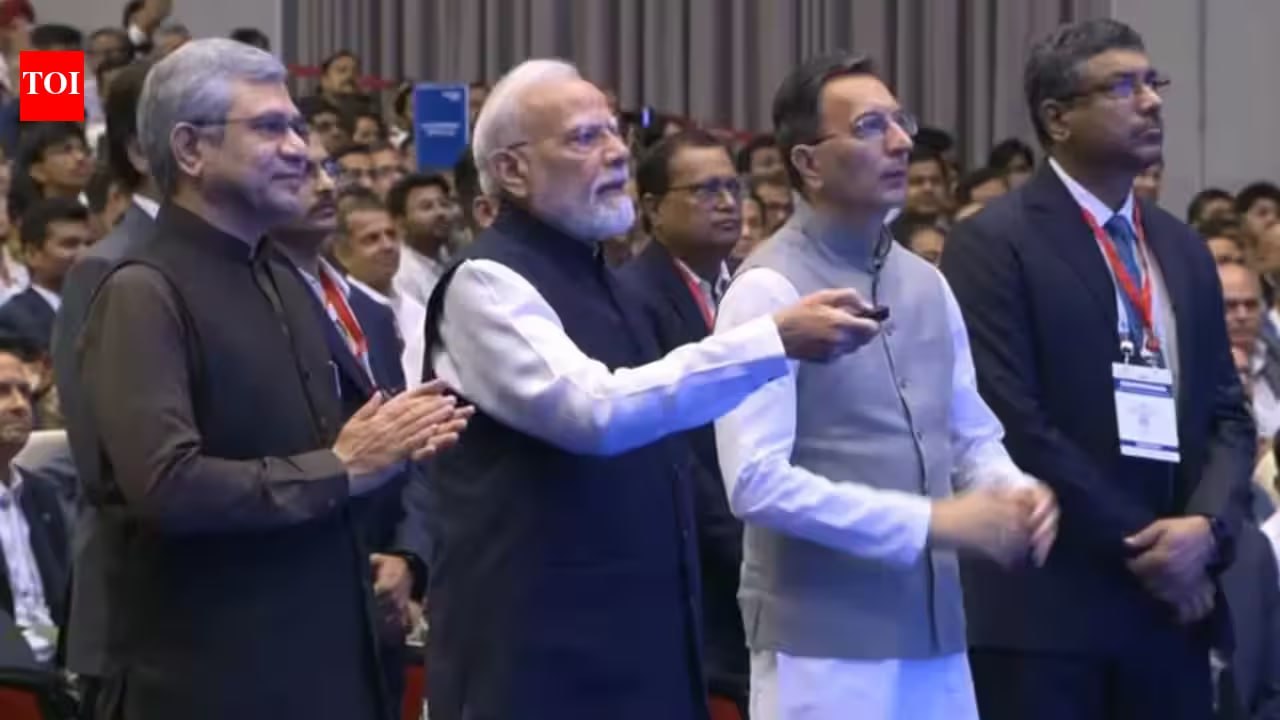
Why in news: Recently, the PM of India, while inaugurating SEMICON India 2026, offered India as a reliable destination across the world for semiconductors and electronics manufacturing. India has been able to present itself as a hub for the growing semiconductor ecosystem, which includes semiconductor design, manufacturing, equipment, materials, assembly and testing, and research and development. The development has come shortly after the launch of India Semiconductor Mission 2.0 (ISM 2.0), with an outlay of ₹1.27 lakh crore. The government has also made plans for training more than one lakh technicians in the next five years.

Background

  • Semiconductors are essential components of smartphones, computers, automobiles, defence systems, telecommunications, artificial intelligence and industrial equipment.

  • The COVID-19 pandemic and subsequent geopolitical tensions exposed vulnerabilities in global semiconductor supply chains.

  • India has therefore sought to develop a domestic semiconductor ecosystem and reduce dependence on concentrated global manufacturing hubs.

  • The India Semiconductor Mission (ISM) was established to implement the country's semiconductor programme.

  • ISM 2.0 seeks to deepen India's capabilities across the semiconductor value chain.

  • India is also seeking to leverage its strengths in IT services, chip design, engineering talent and a large electronics market.

Features

India Semiconductor Mission 2.0

  • ISM 2.0 has an outlay of ₹1.27 lakh crore.

  • It aims to strengthen India's semiconductor ecosystem beyond merely establishing fabrication plants.

Complete Semiconductor Ecosystem
India is attempting to develop capabilities in:

  • Chip design

  • Semiconductor manufacturing

  • Assembly, testing and packaging

  • Semiconductor equipment

  • Materials

  • Research and development

Chip Design Start-ups

  • The government intends to support at least 200 start-ups and firms under the chip-design pillar of ISM 2.0.

  • This is intended to expand India's indigenous semiconductor design capabilities.

Skilled Workforce

  • More than 1 lakh technicians are planned to be trained over the next five years.

  • The objective is to create a workforce capable of directly supporting semiconductor and electronics manufacturing facilities.

Global Investment

  • Applied Materials announced plans to invest $5 billion over five years to expand its R&D centre and supply chain in India.

  • Micron has commenced commercial production at its Sanand facility in Gujarat.

  • Infineon has also highlighted India's growing importance as a semiconductor market and talent base.

Global Supply-Chain Resilience

  • India is positioning itself as an additional manufacturing and technology base to make global semiconductor supply chains more diversified and resilient.

Significance for India

Economic

  • Can attract large-scale foreign investment.

  • May increase India's share in global electronics manufacturing.

  • Can generate skilled and semi-skilled employment.

Technological

  • Encourages domestic chip design and semiconductor capabilities.

  • Can strengthen India's position in advanced electronics and emerging technologies such as AI.

Strategic

  • Semiconductors have applications in defence, telecommunications, space and critical infrastructure.

  • Domestic capabilities can reduce vulnerabilities arising from excessive dependence on external suppliers.

Export Potential

  • A developed semiconductor ecosystem could enable India to become an important supplier of chips, components and electronics to global markets.

Challenges

High Capital Requirements

  • Semiconductor fabrication plants require enormous investments, sophisticated infrastructure and long gestation periods.

Technological Complexity

  • Chip manufacturing requires advanced technologies, specialised equipment, ultra-pure materials and stringent quality control.

Skilled-Manpower Gap

  • Training technicians is important, but India also needs highly specialised semiconductor engineers, researchers and process experts.

Global Competition

  • India faces competition from established semiconductor ecosystems in Taiwan, South Korea, the United States, Japan and China, among others.

Supply-Chain Dependence

  • Even domestic manufacturing may continue to depend on imported equipment, materials, specialised chemicals and technologies.

Water and Power Requirements

  • Semiconductor fabrication requires highly reliable electricity and large quantities of ultra-pure water, creating infrastructure and environmental challenges.

Way Forward

  • Implement ISM 2.0 efficiently with predictable policy support.

  • Develop the entire value chain rather than focusing only on fabrication.

  • Strengthen semiconductor R&D and indigenous chip design.

  • Expand industry–university collaboration and specialised training.

  • Develop semiconductor clusters with reliable power, water, logistics and testing infrastructure.

  • Encourage domestic production of equipment, materials and specialised components.

  • Attract global companies while simultaneously developing Indian semiconductor firms and start-ups.

  • Build diversified international partnerships to improve supply-chain resilience.

  • Ensure environmental sustainability through efficient water use, recycling and clean-energy adoption.

Conclusion

The Indian strategy for semiconductors is thus a step taken by India in order to go from being merely a market and a design base to being a more complete player within the semiconductor value chain. The success of ISM 2.0 depends upon investment, technology, skilled manpower, and integration with the global supply chains. It can help the economic development and the strategic strength of India.
UPSC Prelims Facts

Term: India Semiconductor Mission 2.0 (ISM 2.0) – Global Chipmaking Destination

Meaning: The launch of India Semiconductor Mission 2.0 with a ₹1.27 lakh crore outlay, aimed at transforming India from a mere market and design base into a complete player across the semiconductor value chain—chip design, manufacturing, assembly/testing/packaging, equipment, materials, and R&D-while training over 1 lakh technicians in five years and attracting global investment (Applied Materials' $5 billion, Micron's Sanand production, Infineon's expansion).

Related: India Semiconductor Mission (ISM) 2.0, SEMICON India 2026, semiconductor ecosystem, chip design start-ups, fabrication plants, assembly/testing/packaging, skilled workforce, Applied Materials, Micron, Infineon, supply-chain resilience, Atmanirbhar Bharat. 

Core theme: India's Semiconductor Mission 2.0 (₹1.27 lakh crore) aims to transform the country from a mere chip market and design base into a complete global semiconductor value-chain player-spanning design, fabrication, testing, equipment, materials, and R&D-while building a skilled workforce, attracting global investment, and reducing supply-chain vulnerabilities, though success hinges on overcoming capital, technological, manpower, and infrastructure challenges. 

Prelims angle

Focus on key facts, terms and institutions mentioned above.

Mains angle

Link to relevant GS themes and frame analytical points.

Syllabus: Science & Technology, Technology, Science

Download notes

Daily Current Affairs - 18 September 2026

Free download · 1 downloads

Test yourself

Daily Current Affairs Quiz - 18 September 2026

Practice the related MCQs now.

Attempt the quiz
Free resource

Get free monthly Current Affairs PDF

Join thousands of aspirants. We'll send the compilation to your WhatsApp.

No spam. Unsubscribe anytime.

More from Current Affairs

Europe’s AI rules may become India’s opportunity
Editorial Important
Science & TechPrelims + Mains

Europe’s AI rules may become India’s opportunity

The Government of India has been looking into separate legislation on Artificial Intelligence (AI). On the other hand, the EU’s AI Act, which came into effect from August 2024 and became applicable from August 2, 2026, is all set to shape the global AI value chain. The Act adopts a risk-based approach whereby certain AI systems have been prohibited, high-risk AI systems have been regulated, and lighter scrutiny has been provided for limited-risk uses. Though Indian companies understand that the Act will be applicable in every situation when the result of their AI system is produced in Europe, the more relevant story lies beyond the compliance aspect. This article discusses how the EU’s AI Act can create new possibilities for India’s tech and professional services sector. It focuses on the challenges in compliance created by the risk-based approach in the AI Act, especially for customised and adaptive IT services in India, while discussing possibilities in AI compliance, conformity assessment, and service exports.

14 Aug 2026 4 min
NASA Invites ISRO to Join Mission for Lunar Outpost
Daily Important
Science & TechPrelims + Mains

NASA Invites ISRO to Join Mission for Lunar Outpost

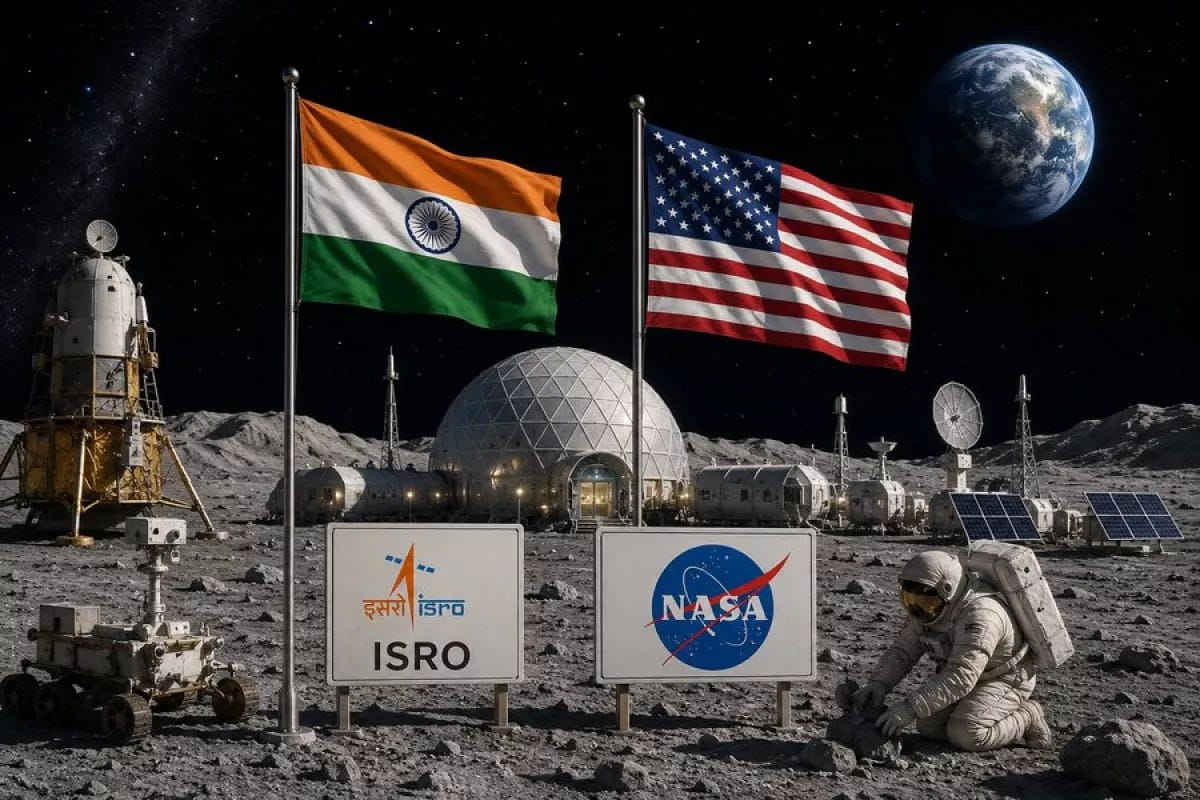
The NASA lunar base project near the South Pole of the Moon included ISRO, and this has led to increased cooperation between India and the US in the space sector. This project could help India in human space exploration, lunar technologies, science, and space diplomacy. But it is accompanied by several problems, including cost, environmental conditions, and resource management.

12 Aug 2026 4 min
India’s First Privately-Built FFSC Rocket Engine Signals New Dawn
Daily Important
Science & TechPrelims + Mains

India’s First Privately-Built FFSC Rocket Engine Signals New Dawn

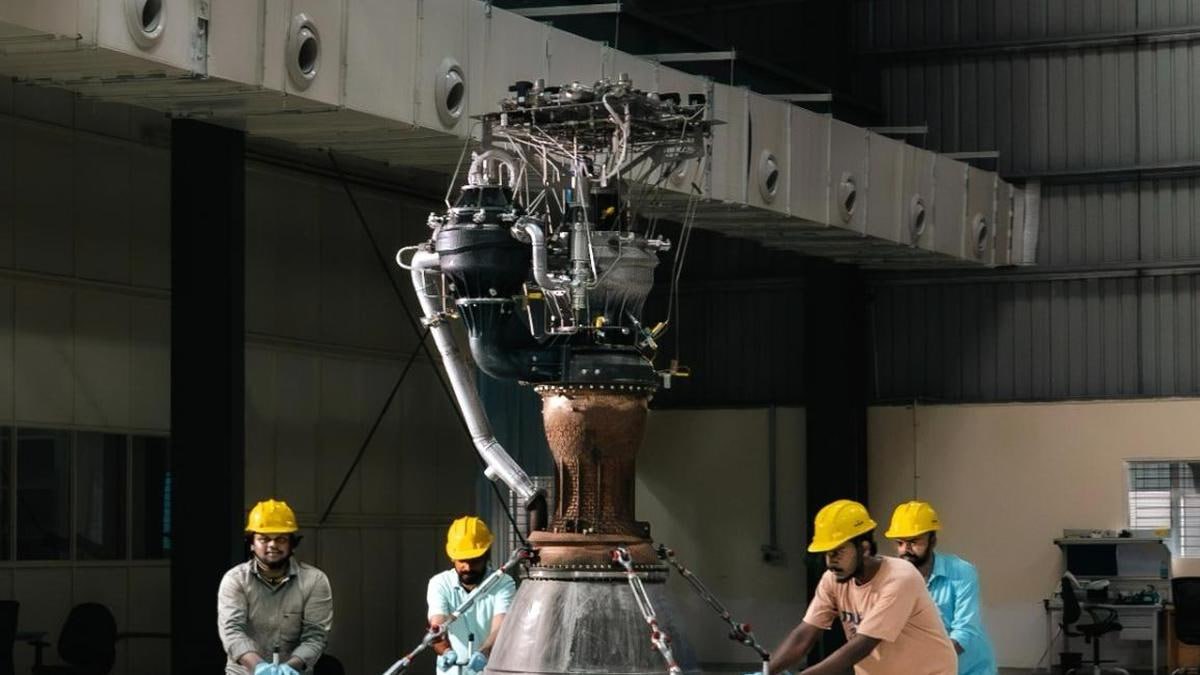
India’s first-ever private EVEREST FFSC LOX-methane engine is a big step forward for the Indian private sector in space propulsion. The engine provides high efficiency and reusability due to its 800 kN thrust. This new development of India, with help from IN-SPACe and the India Space Policy 2023, can be useful in increasing indigenous propulsion, heavy lift, and reusability capability.

11 Aug 2026 3 min