Background: Agnipath Scheme
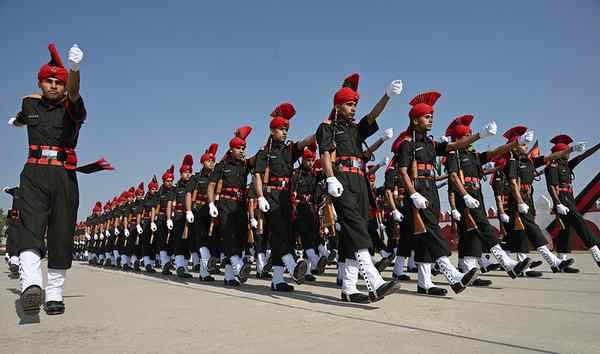
Agnipath Scheme was introduced in 2022 for recruitment into the Armed Forces.
Recruits are known as Agniveers.
The normal tenure is four years.
Only up to 25% of each batch may be selected for further regular service in the armed forces.
The remaining personnel are released as ex-Agniveers with a Seva Nidhi package and opportunities for employment in other sectors.
Since CAPF personnel can serve up to 60 years of age, CAPF jobs offer ex-Agniveers a significantly longer career.
Features
50% reservation
50% of Constable (General Duty) vacancies in CAPFs are reserved for ex-Agniveers.
The reservation applies to forces such as CRPF, BSF, SSB and Assam Rifles.
Two-phase recruitment
First phase: Vacancies earmarked for ex-Agniveers will be filled.
Second phase: Remaining vacancies will be filled through the normal open recruitment process.
Carry-forward provision
If reserved vacancies remain vacant because sufficient eligible ex-Agniveers are unavailable, the unfilled posts can be added to the vacancies available for open recruitment.
Relaxation in selection process
Ex-Agniveers are to receive exemption from:
Written examination
Physical Standard Test (PST)
Physical Efficiency Test (PET)
Armed forces to provide candidate lists
The Army, Navy and Air Force are expected to furnish details of eligible ex-Agniveers to CAPFs.
This may mean that ex-Agniveers cannot directly enter the recruitment process under the reserved quota, at least initially.
Example: CRPF
The CRPF normally recruits around 7,000 constables annually.
Under the 50% reservation:
Approximately 3,500 posts could be earmarked for ex-Agniveers.
Remaining vacancies would be available through the open recruitment process.
Unfilled ex-Agniveer vacancies can subsequently be added to the open category.
Reservation and Constitutional Aspect
Agniveer recruitment in the Armed Forces itself is not based on caste-based reservation. However, existing reservation provisions for SCs, STs and OBCs continue to apply to CAPF recruitment.
Thus, the policy creates a distinction between:
Recruitment into the Armed Forces, and
Recruitment into CAPFs after completion of Agniveer service.
Significance
Provides post-service employment security to Agniveers.
Creates a pool of CAPF recruits with military training and discipline.
Helps CAPFs obtain personnel already familiar with physical training, weapons handling and military-style discipline.
Makes the Agnipath scheme more attractive by providing a structured second-career pathway.
Could reduce competition faced by ex-Agniveers after their four-year tenure.
Challenges
Direct application issue: Restricting direct application may create questions about transparency and equal opportunity.
Limited absorption in Armed Forces: Since only up to 25% are retained, a large number will seek civilian employment every year.
Implementation complexity: Coordination between the three armed services and multiple CAPFs will be required.
Vacancy utilisation: If eligible ex-Agniveers are fewer than reserved vacancies, recruitment procedures must ensure vacancies are not left unfilled.
Career expectations: The policy must clearly communicate the distinction between four-year military service and long-term CAPF employment.
Inter-force coordination: Maintaining accurate records of eligible personnel and their service status will be essential.
Way Forward
Establish a transparent centralised database of eligible ex-Agniveers.
Clearly define eligibility, selection, seniority and medical standards.
Allow an accessible and transparent application mechanism, even if the initial shortlist is supplied by the armed forces.
Ensure timely recruitment so that ex-Agniveers do not face prolonged unemployment after discharge.
Provide career counselling and skill certification before release from the Armed Forces.
Periodically evaluate whether the 50% reservation is achieving its intended objective.
Maintain coordination between the Ministry of Defence (MoD) and the Ministry of Home Affairs (MHA).
Conclusion
The allocation of 50% of CAPF constable positions to the ex-Agniveers provides an opportunity for a new career path through the Agnipath policy. However, the future success of this policy will depend on proper selection procedures, coordination between ministries, and the recruitment process. This initiative has the potential to utilise the military expertise of the ex-Agniveers to India’s advantage.